What to Do When the Power Goes Out During a Heat Wave
A summer power outage is not just an inconvenience. When temperatures climb into the high 90s and the air conditioning shuts down, your home can turn dangerously hot within an hour or two. Knowing the right steps protects your family, your food, and your electrical system all at once. The first minutes matter most, so a clear plan keeps panic from setting in. This guide walks you through how to stay safe, why outages happen during extreme heat, and how to keep your power on next time. Read it now and you will be ready before the next outage hits.
How to Stay Safe When the Power Goes Out During a Heat Wave
Safety comes before anything else when the lights go dark in extreme heat. High indoor temperatures cause heat exhaustion and heat stroke faster than most people expect, and small children, older adults, and pets are at the highest risk. Your home stores heat, so the indoor temperature keeps rising even after the outage starts. A few smart moves in the first hour make a real difference. The steps below cover staying cool, protecting your food and medicine, and avoiding the electrical hazards that show up during outages. Follow them in order and you will lower your risk right away.
Staying Cool When the Power Goes Out During a Heat Wave
Your body needs help shedding heat once the air conditioner stops, so start by closing blinds and curtains on the sunny side of the house. Blocking direct sunlight slows the temperature climb inside far more than people realize. Move to the lowest floor of your home, since hot air rises and the ground level stays cooler longer. Drink water steadily even if you do not feel thirsty, because dehydration sneaks up quickly in high heat. A wet cloth on the back of the neck and wrists cools your blood and brings real relief. If you have a battery powered fan, point it across a pan of ice for a simple cooling breeze.
Watch the people around you for early signs of heat illness during a long outage. Heavy sweating, dizziness, headache, and muscle cramps signal heat exhaustion, and these symptoms need quick attention. Confusion, a fast pulse, hot dry skin, and fainting point to heat stroke, which is a medical emergency. Move anyone showing these signs to the coolest spot you can find and cool them with damp cloths. Call for help right away if symptoms get worse. Keeping a close eye on each other prevents a bad situation from turning into a crisis.
Plan an exit if your home becomes too hot to stay in safely. Public libraries, shopping centers, and community cooling centers often keep power through outages and welcome people who need relief. A short drive in an air conditioned car gives your body a chance to recover when the house stays dangerously warm. Keep your phone charged and a car charger ready so you can check outage updates from your utility company. Friends or family in another part of town may still have power, so a quick stay can keep everyone safe. The goal is simple: do not tough out heat that puts your health at risk.
Protecting Food and Medicine When the Power Goes Out During a Heat Wave
Your refrigerator becomes a race against time the moment the power drops. Keep the doors closed, because an unopened fridge holds safe temperatures for about four hours and a full freezer stays cold for up to 48 hours. Every time you open the door, cold air escapes and the clock speeds up. Group frozen items together so they hold their chill longer, and move milk and meat to the coldest part of the fridge. A simple appliance thermometer tells you when food crosses into the unsafe zone above 40 degrees. When in doubt about any item, throw it out rather than risk foodborne illness.
Temperature sensitive medicine needs the same careful attention during a heat wave outage. Insulin and certain other prescriptions lose effectiveness when they sit too warm for too long, so check the storage instructions on each label. A small cooler with ice packs keeps these medications stable for hours during a short outage. Pharmacists can tell you how long a specific medicine stays good without refrigeration, so keep that number handy. Write down what you have stored and when the power went out to track the timeline. This habit removes guesswork when the power finally comes back.
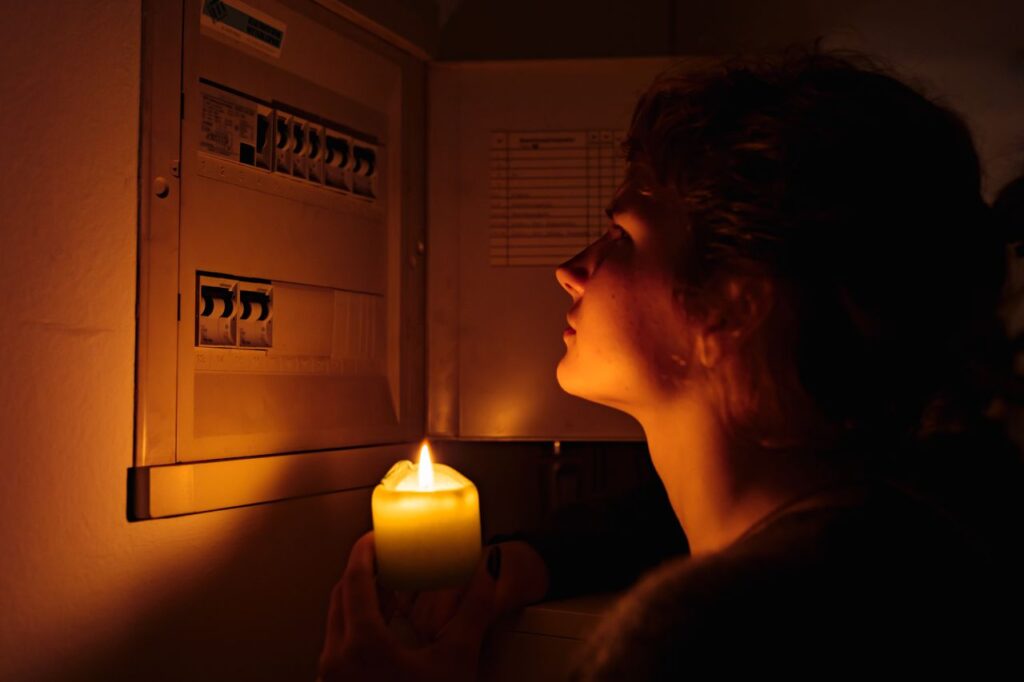
Stock a few outage supplies before the hot season arrives so you are never caught short. Bottled water, shelf stable snacks, and a manual can opener cover the basics for a day or two. Frozen water bottles do double duty by keeping the freezer cold and giving you cold drinking water as they melt. A battery powered radio keeps you informed when your phone battery runs low. Flashlights beat candles every time, since an open flame in a hot, dark house adds real danger. A little preparation turns a stressful outage into a manageable one.
Avoiding Electrical Hazards When the Power Goes Out During a Heat Wave
An outage hides several electrical dangers that catch homeowners off guard. Never run a portable generator inside a garage, basement, or any enclosed space, because the carbon monoxide it produces is odorless and deadly. Place portable units far from windows and doors so exhaust cannot drift indoors. Plugging a portable generator straight into a wall outlet causes backfeed, which can electrocute utility workers and damage your home wiring. Use heavy duty outdoor rated extension cords to connect appliances directly to the generator instead. These rules keep a helpful tool from becoming a serious threat.
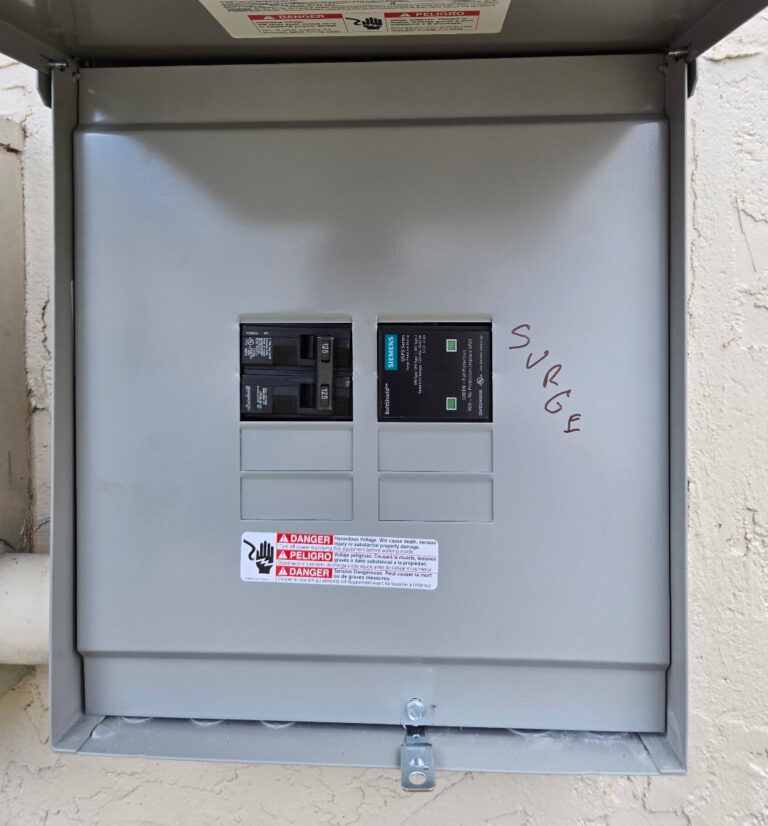
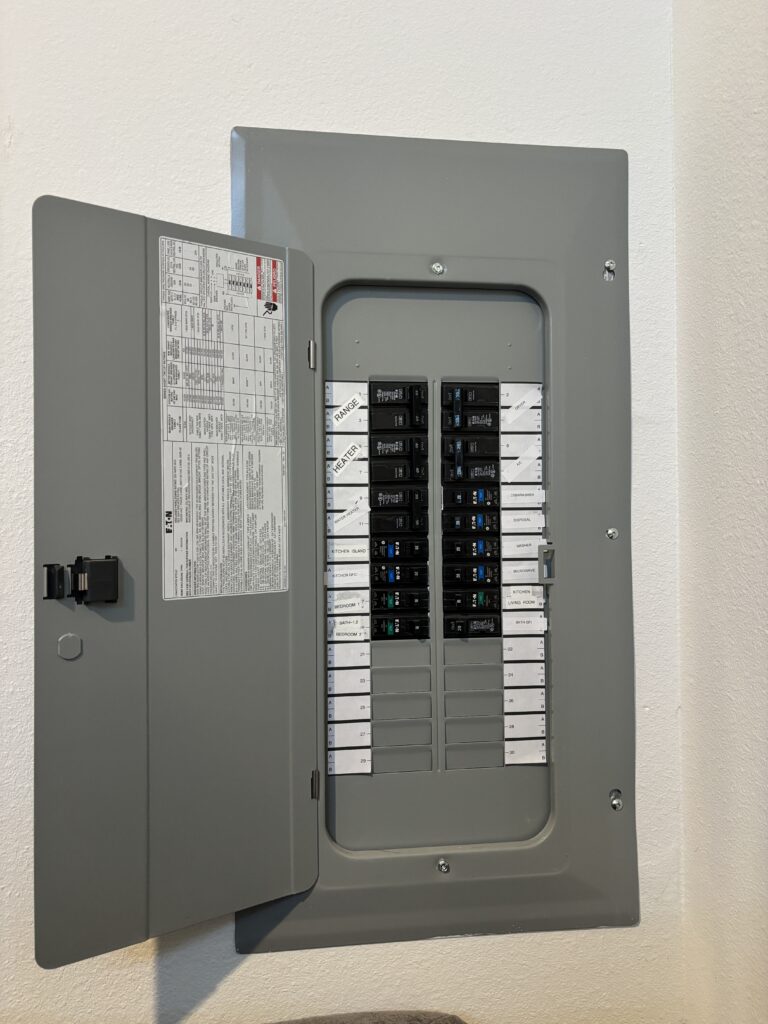
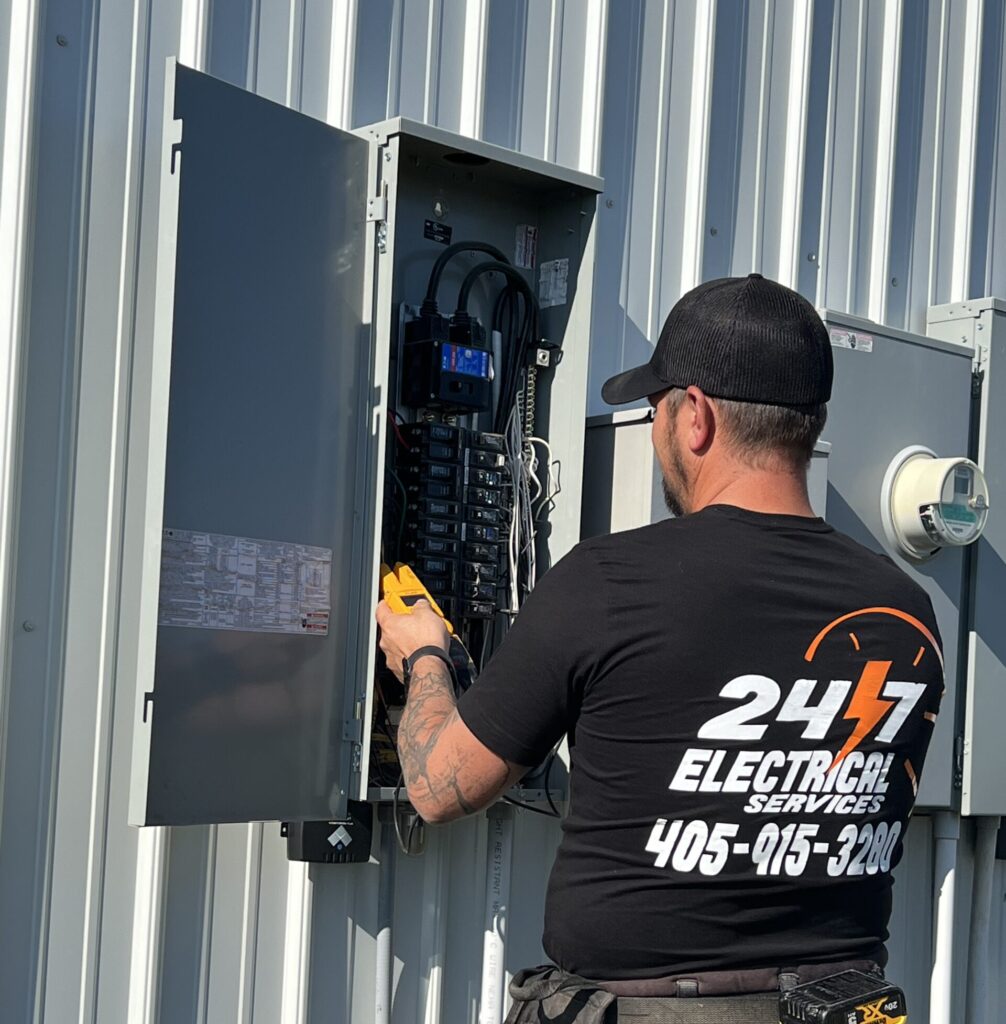
Pay attention to how your system behaves before and during the outage. Flickering lights, a burning smell, or a warm breaker panel are warning signs that something is failing, not just a normal outage. If you notice scorch marks, buzzing, or a panel that feels hot to the touch, stay away from it and call a licensed electrician. Do not open or poke around inside a damaged electrical panel under any circumstances. Standing water near outlets or panels raises the shock risk, so keep clear of wet areas. When you see these red flags, professional help is the only safe answer.
The moment power returns brings its own hazards during a heat wave. A surge of returning electricity can stress your air conditioner and other large appliances all at once. Unplug sensitive electronics and turn off the air conditioner during the outage, then restore them one at a time after power steadies. This staggered approach prevents a sudden overload that trips breakers or damages equipment. Whole home surge protection guards against the voltage spikes that follow many outages. If you want lasting protection for your home, a licensed electrician can install the right safeguards. Need fast help after an outage?
Why the Power Goes Out During a Heat Wave
Heat waves push the electrical system harder than almost any other condition. Air conditioners run nearly nonstop, drawing heavy current hour after hour across an entire neighborhood. That combined demand strains both the local grid and the wiring inside individual homes. Some outages start at the utility level, while others begin right at your own panel. Knowing the cause helps you decide what to fix and what to wait out. The sections below break down the three most common reasons the power fails when temperatures spike.
Overloaded Circuits That Make the Power Go Out During a Heat Wave
Your home circuits carry only so much current before a breaker trips to protect the wiring. During a heat wave, the air conditioner, refrigerator, and several fans run at the same time, and that load adds up fast. When a circuit draws more amps than it is rated for, the breaker shuts it off on purpose. This is the system doing its job, not a malfunction. A breaker that trips once in a while signals you are simply asking too much of that circuit. Spreading large appliances across different circuits often solves the problem.
Older homes face this issue more often because their wiring was built for a different era. Decades ago, families ran far fewer appliances, so a 100 amp panel handled the load with room to spare. Today a single home runs central air, multiple televisions, computers, and a long list of plug in devices. That modern demand can push an older panel past its safe limit during peak summer heat. Repeated tripping under these conditions points to a panel that no longer matches your needs. An upgrade brings the system back in line with how you actually live.
Warning signs of an overloaded system are easy to spot once you know them. Breakers that trip several times a week, outlets that feel warm, and lights that dim when the air conditioner kicks on all tell a story. A panel that buzzes or smells faintly of burning needs immediate attention from a professional. Ignoring these signs invites overheating inside the walls, which is a genuine fire risk. A licensed electrician can measure your actual load and recommend the right fix. Catching the problem early costs far less than repairing damage later.
Utility Grid Strain That Makes the Power Go Out During a Heat Wave
Not every heat wave outage starts inside your home. When millions of air conditioners run at once, the regional power grid faces enormous demand. Utilities sometimes cannot supply enough electricity to meet that peak, and the result is a brownout or a rolling blackout. A brownout shows up as dimmed lights and sluggish appliances when voltage drops below normal. Rolling blackouts are planned, temporary shutoffs that spread the shortage across different areas. These events protect the larger system from a complete collapse.
Low voltage during a brownout can quietly damage the equipment in your home. Motors in your air conditioner and refrigerator strain to run on too little power, which makes them overheat. Running on reduced voltage for long stretches shortens the life of these expensive appliances. This is why turning off large equipment during a brownout is smart. Once full power returns, you can switch things back on safely and one at a time. A small habit here saves you from costly repairs down the road.
Grid strain is largely out of your control, but your response is not. Sign up for outage alerts from your utility so you know when rolling blackouts are scheduled. Reducing your own use during peak afternoon hours eases the strain a little and may shorten the outage. A backup generator removes your dependence on the grid entirely during these events. With the right system in place, a grid failure becomes a minor blip instead of a long, hot ordeal. Many homeowners decide a backup plan is worth it after their first summer blackout.
Failing Panels and Breakers That Make the Power Go Out During a Heat Wave
Sometimes the power fails because the equipment itself is worn out. Breakers wear down over years of use, and an aging breaker can trip too easily or fail to trip at all. A breaker that no longer trips when it should leaves your wiring unprotected, which is far more dangerous than a simple outage. Heat speeds up this wear, so summer often exposes a breaker that was already on its way out. Replacing a faulty breaker is a routine job for a licensed electrician. Catching it early keeps a small problem from becoming a hazard.
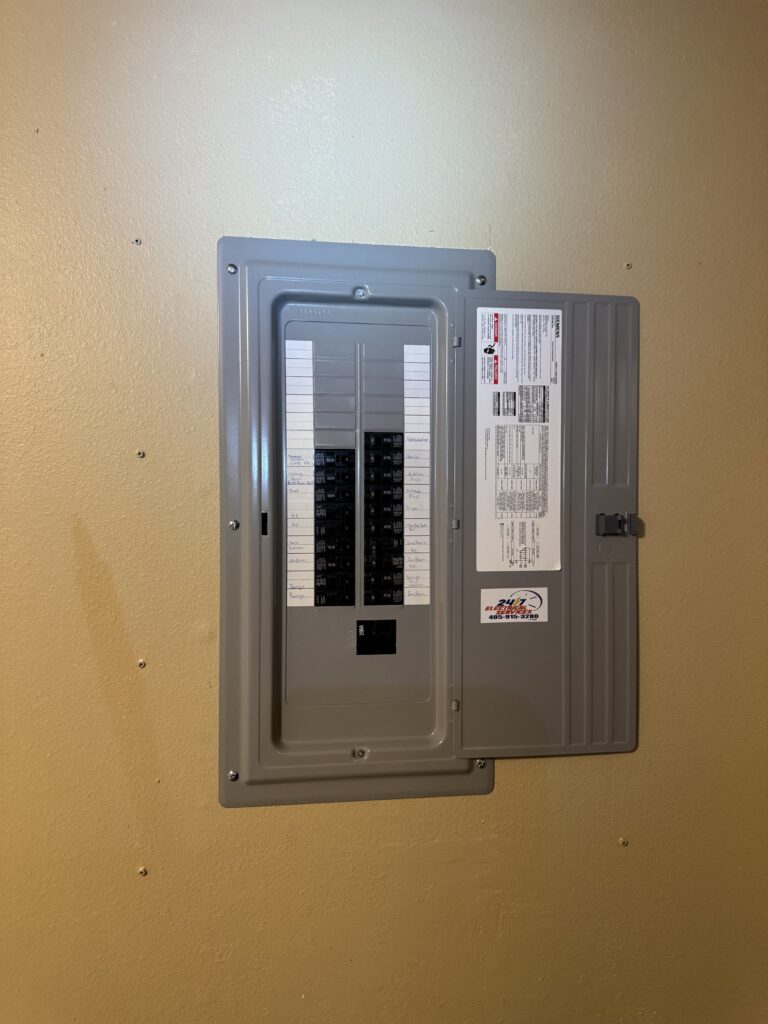
Electrical panels also have a service life, and some older models are known to be unreliable. Certain brands installed decades ago have a documented history of failing to protect homes properly. A panel covered in rust, showing scorch marks, or feeling warm to the touch is a clear signal it needs evaluation. These panels can struggle to handle the heavy summer load that modern homes demand. An overloaded, aging panel is one of the most common causes of repeated heat wave outages. A professional inspection tells you exactly where your panel stands.
Upgrading from an older panel to a modern 200 amp panel solves many of these problems at once. A new panel handles today’s electrical demand with margin to spare, even during the hottest stretch of summer. Modern breakers trip reliably and reset cleanly, restoring power without drama. The upgrade also makes room for future additions like a generator or electric vehicle charger. Spending on a panel upgrade now prevents repeated outages and protects your home for years.
Why You Need a Backup Plan Before the Power Goes Out During a Heat Wave
The best time to prepare for a heat wave outage is long before one happens. Once the power drops and the house heats up, your options shrink fast. A backup plan gives you cool air, working appliances, and peace of mind no matter what the grid does. Two solutions stand out for keeping your home comfortable and safe through any summer outage. A standby generator and a modern electrical panel work together to keep the lights and the air conditioning running. Here is how each one helps and why our team is the right choice to install them.
A Generac Generator Keeps Your Power On During a Heat Wave
A standby Generac generator turns on automatically the instant your power fails. It sits permanently outside your home and connects directly to your electrical system through an automatic transfer switch. When the grid goes down, the generator senses the loss and restores power within seconds. Your air conditioner, refrigerator, and lights keep running with no effort from you. For families with medical equipment or young children, that automatic switch is a true lifesaver during a heat wave.
A Generac unit runs on natural gas or propane, so you never have to handle gasoline or refill a tank during an outage. It is sized to match your home, which means it can power your central air conditioning even on the hottest day. This makes it far more capable than a small portable generator that only runs a few items. Professional installation places it safely outside, where exhaust stays clear of your living space. Routine maintenance keeps it ready to start the moment you need it. As specialists in Generac systems, we match the right size to your exact needs.
Owning a standby generator changes how a heat wave outage feels. Instead of scrambling to keep cool, your family stays comfortable while the grid sorts itself out. The system protects your food, your medicine, and your health all at once. It adds value to your home and brings real peace of mind every summer. Want reliable backup power before the next outage? A generator pays you back the first time the lights stay on while the neighborhood goes dark.
A Panel Upgrade Prevents Power Loss During a Heat Wave
A modern electrical panel forms the foundation of a reliable home during summer. An upgraded 200 amp panel handles the heavy load of central air conditioning and modern appliances with ease. This margin means fewer tripped breakers and fewer self inflicted outages on the hottest days. New breakers respond correctly to overloads, protecting your wiring and your family. A current panel also supports the addition of a standby generator down the road.
Older panels often sit at the root of repeated heat wave outages. A worn 100 amp panel simply cannot keep up with the demand of a modern household in extreme heat. Pushing an aging panel too hard leads to overheating, tripped breakers, and a genuine fire risk inside the walls. Upgrading removes that bottleneck and brings your system up to current safety standards. The work also reveals any hidden wiring problems that an outdated panel was hiding.
A panel upgrade is one of the smartest investments a homeowner can make before summer. It improves safety, reliability, and the overall value of your property. The job is straightforward for a licensed electrician and pays dividends every time the temperature spikes. Pairing a new panel with a standby generator gives you the most dependable setup possible. Our team handles panel upgrades cleanly and to code, so your home is ready for whatever the season brings. A reliable panel means you spend summer enjoying the cool air, not chasing tripped breakers.
Why Choose 24/7 Electrical Services When the Power Goes Out During a Heat Wave
We are a locally owned and family operated electrical company that treats your home like our own. As a licensed Oklahoma electrician, license number 084623, we hold ourselves to high standards on every job. Our free local estimates come with honest, upfront pricing, so you always know the cost before any work begins. We specialize in panel upgrades and Generac generators, the exact solutions that keep your home powered through a heat wave. Our work is backed by a one year labor warranty and a three year panel warranty for added peace of mind.
When the power goes out, you need help fast, and our 24/7 emergency electrical service is always ready. We answer the call day or night, including the brutal summer days when outages strike. Our team arrives prepared to diagnose the problem and restore your power safely. We never cut corners, because we care deeply about doing right by our neighbors. You get clear answers and reliable work from people who live and serve in this community.
Trust matters, and we earn it on every visit through honest advice and quality workmanship. We take the time to explain your options so you can make the best decision for your home and budget. Our goal is your comfort and safety, not an upsell you do not need. Get ready before the next heat wave and protect your family with a backup plan that works. Call us today at (405) 915-3280 for a free estimate and let us keep your power on all summer long.