
How to Safely Wire Outdoor Outlets for Your Pool and Patio
Summer in McLoud means more time outside near the pool and patio. Powering pumps, lights, speakers, and grills takes safe outdoor outlets that hold up to heat, rain, and splashing water. Wiring those receptacles is not the same as adding an outlet inside a dry bedroom. Water and electricity create real shock and fire risks when the work skips code rules. The National Electrical Code sets strict standards for any receptacle near a pool, spa, or patio. This guide walks through how to wire outdoor outlets the right way and where the law draws hard lines. You will also learn which steps a licensed electrician must handle for your safety.
How to Safely Wire Outdoor Outlets Near a Swimming Pool
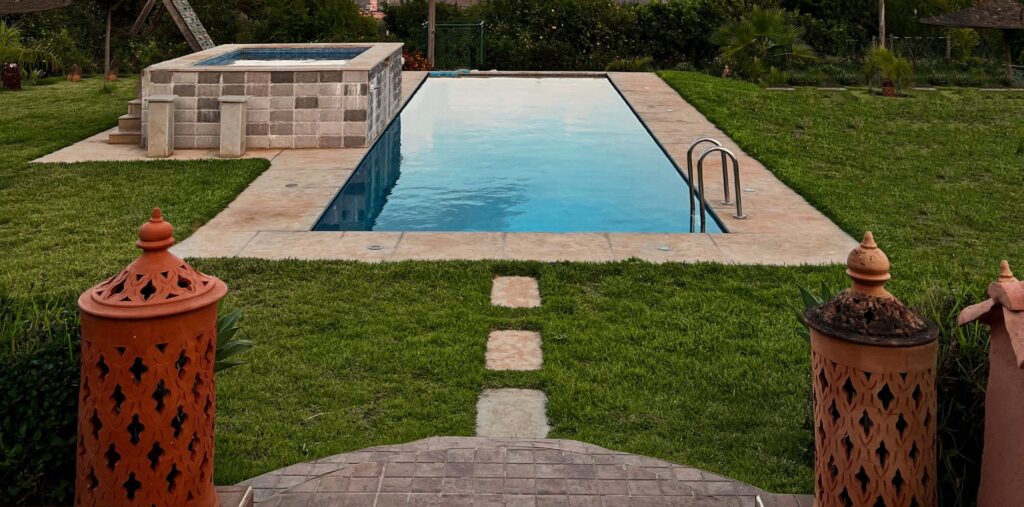
Receptacles around a swimming pool follow some of the toughest rules in the electrical code. Article 680 of the National Electrical Code governs pools, spas, and the wiring near them. The goal is simple; keep live power far enough from water that a person cannot touch both at once. Placement distance, ground fault protection, and proper bonding all work together to prevent shock. Skipping any one of these creates a dangerous gap that water will eventually find. The sections below break down each requirement in plain terms.
Outdoor Outlet Placement Rules Near a Swimming Pool
The code keeps general receptacles a safe distance from the water’s edge. For a permanently installed pool, a standard 125 volt receptacle must sit at least 6 feet from the inside wall of the pool. That distance is measured along the shortest path a cord would travel, not straight through the wall. The rule lowered from 10 feet to 6 feet in recent code cycles, yet many older pools still follow the wider spacing. Your local inspector decides which code edition applies in McLoud. Keeping outlets back from the water reduces the chance that a swimmer reaches a live plug with wet hands. It also keeps cords from stretching across walkways where they trip people and collect rain.
The code also requires at least one convenience receptacle near most permanently installed pools. That outlet must be placed between 6 feet and roughly 20 feet from the inside pool wall. The point is to give people a safe spot to plug in equipment without dragging cords from the house. Without it, homeowners run long extension cords across the yard, which the code does not allow as permanent wiring. That receptacle must include ground fault protection and a weatherproof cover. Pool pump motor receptacles follow their own placement and protection rules as well. A licensed electrician confirms each outlet lands at the correct distance before any wire goes in the ground.
Height matters just as much as horizontal distance near a pool. Outdoor receptacles should sit well above grade so splashing and standing water cannot reach the slots. A common target is at least 12 inches above the surrounding ground, with many electricians setting them higher. Light switches, panels, and timers near the pool follow their own clearance rules under Article 680. Overhead conductors above a pool carry strict height limits too, which is why most pool wiring runs underground. Every measurement ties back to one idea; build distance between people, water, and live power. Getting these numbers wrong can fail an inspection and force expensive rework.
GFCI Protection for Outdoor Outlets Near a Pool
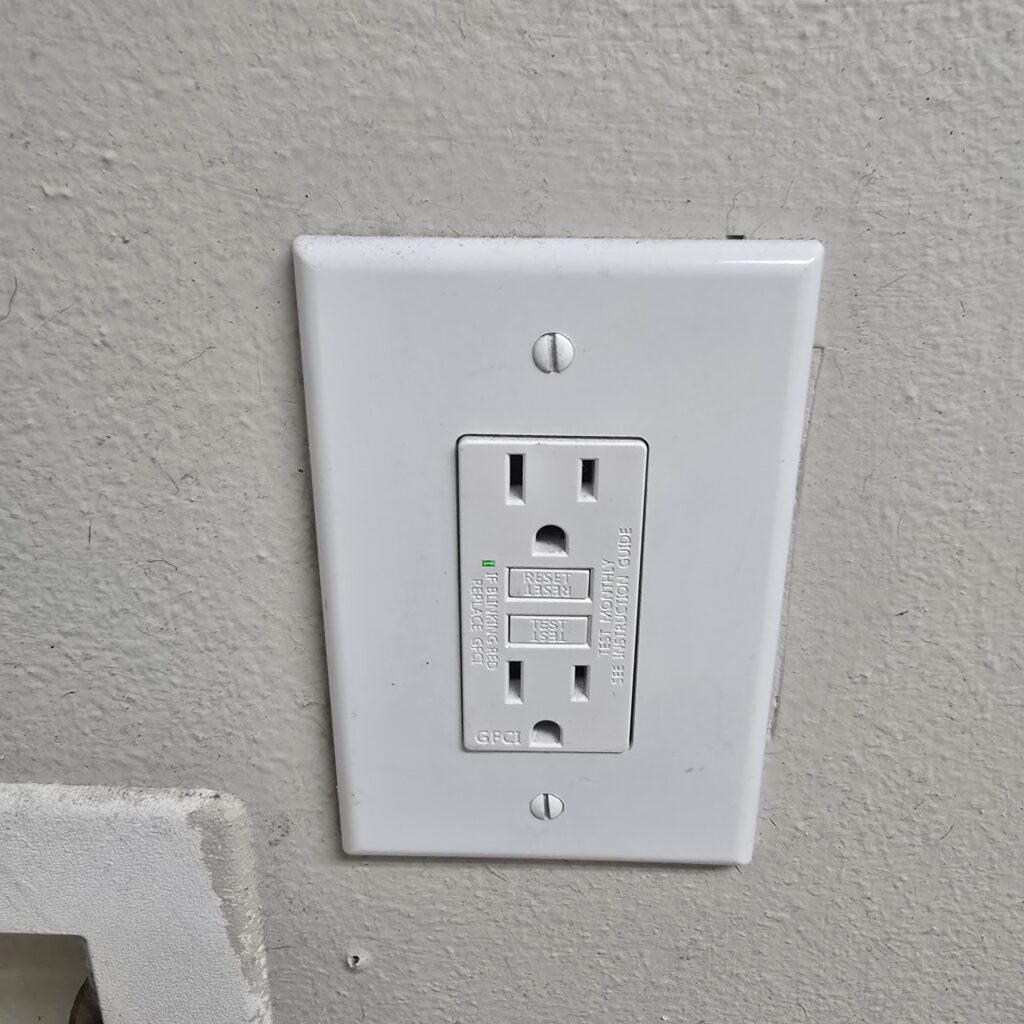
Ground fault circuit interrupter protection is the single most important safety feature for any outdoor pool outlet. A GFCI device watches the current flowing out and back through the circuit. When even a tiny amount leaks to ground, such as through a person, it trips in a fraction of a second. That fast response is what stops a shock from turning deadly. The code requires GFCI protection on all 15 and 20 amp, 125 volt receptacles outdoors and near pools. Pool pumps, lighting, and heaters fall under these rules as well. The protection can come from a GFCI receptacle or a GFCI breaker in the panel.
Placement of the GFCI device affects how the whole circuit behaves. A GFCI receptacle protects itself and any standard outlets wired downstream of it. A GFCI breaker protects the entire circuit from the panel forward. For pool equipment, electricians often choose the breaker so the protection covers every device on the run. Each GFCI must be tested with its built in test and reset buttons after installation. The code now calls for these devices to be readily accessible so homeowners can test them monthly. A device that will not reset usually signals real moisture or a wiring fault, not a faulty button.
GFCI protection works only when it is wired correctly, which is where many DIY jobs fail. Reversing the line and load terminals on a GFCI receptacle leaves downstream outlets unprotected. Sharing a neutral between circuits can cause nuisance tripping or, worse, no protection at all. Damp connections and corroded wire nuts also create leakage that trips the device or hides a fault. Outdoor GFCI outlets need weather resistant rated receptacles marked with the letters WR. Standard indoor GFCI units corrode quickly when exposed to humidity and rain. A licensed electrician verifies the line and load wiring, the WR rating, and the trip response before closing the box.
Wiring and Burial Depth for Outdoor Pool Outlets
Most pool and patio circuits travel underground, so burial depth becomes a safety issue. The code sets minimum cover depths based on the wiring method and the protection on the circuit. Rigid metal conduit can sit as shallow as 6 inches, while PVC conduit usually needs 18 inches of cover. Direct burial cable rated for the job, such as UF cable, generally needs 24 inches. Circuits protected by GFCI and limited to 20 amps can sometimes run at 12 inches under a residential yard. These depths protect the wire from shovels, tent stakes, and settling soil. Your electrician picks the method that fits your soil, your layout, and the local code edition.
The wire itself must match the wet conditions found outdoors and underground. Conductors run inside conduit must be rated for wet locations, marked with a W in the insulation type. UF cable is built for direct burial and resists moisture, sunlight, and soil chemicals. Standard indoor wire such as NM cable, often called Romex, cannot be buried or used outdoors. Every connection outside the house belongs in a weatherproof box with proper fittings. Conduit entering a box from below needs sealed connectors to keep water out. Cutting corners on wire type is a hidden mistake that surfaces years later as a tripped breaker or a burned connection.
Bonding ties the whole pool area into one electrical level, and the code treats it as mandatory. An equipotential bonding grid uses 8 AWG solid copper wire to connect pool steel, ladders, pumps, and nearby metal. This grid keeps every metal surface at the same potential so no dangerous voltage builds between them. Bonding is not the same as grounding, though the two work together for safety. A pool wired without proper bonding can shock swimmers even when every outlet tests fine. This is detailed, code heavy work that rewards experience and careful measurement. A licensed electrician documents the bonding so it passes inspection and protects your family for years.
How to Wire Weatherproof Outdoor Outlets for Your Patio
Patio outlets see less water than pool outlets, yet they still live in a wet location. Rain, sprinklers, and humidity all reach a receptacle mounted on an exterior wall or post. The code treats most patio outlets as outdoor wet locations with their own cover and rating rules. The right box, the right cover, and a GFCI device turn an ordinary outlet into a safe outdoor one. The sections below cover the parts and the practices that keep patio power reliable through every season.
Choosing Weatherproof Boxes and Covers for Patio Outlets
Outdoor outlets start with a box rated for outdoor use, not the thin plastic box used inside walls. Weatherproof boxes are built from materials that shrug off sun, rain, and temperature swings. They include sealed knockouts and gaskets that block water at every opening. Mounting the box on a stable surface keeps the cover sealing tightly over time. A box that flexes or pulls away from the wall breaks its own seal. Outdoor boxes also give you the depth needed for a GFCI receptacle, which is bulkier than a standard outlet. Picking the right box at the start saves trouble during the rest of the install.
The cover is where outdoor patio outlets succeed or fail against the weather. A wet location demands an in use cover, sometimes called a bubble cover, that shields the outlet even with a cord plugged in. These covers stay closed around the cord, so rain cannot reach the live slots. The code now requires extra duty rated covers for many outdoor receptacles exposed to the weather. A simple flip up cover only protects the outlet when nothing is plugged in, which fails the wet location test. Covers must be self closing and gasketed to hold their seal. Matching the cover to the receptacle and the box completes the weatherproof system.
Weather resistant receptacles round out the weatherproof outdoor outlet. These outlets carry a WR marking and use corrosion resistant contacts and housings. Pairing a WR receptacle with an in use cover meets the code for patio and exterior walls. Tamper resistant features add another layer where children play near the patio. Every screw, gasket, and fitting plays a part in keeping water on the outside. A single missing gasket can let moisture wick into the box and trip the GFCI. A licensed electrician assembles the box, receptacle, and cover as one tested system rather than a pile of parts.
Running Power Safely to Outdoor Patio Outlets
Power for a patio outlet has to leave the house and reach the new location without inviting water inside. The point where wiring exits the wall needs a weatherproof fitting and a downward facing drip loop. Conduit or UF cable carries the circuit across the yard or along the wall to the box. The circuit ties back to a properly sized breaker in the panel, not a random open slot. Wire size must match the breaker and the expected load to prevent overheating. A 20 amp patio circuit usually calls for 12 gauge copper conductors. Sizing the wire and breaker together keeps the circuit safe under summer loads like fans, fridges, and string lights.
Sealing every penetration keeps the indoor wiring dry and the connection safe. Where conduit meets the box, sealed connectors and gaskets block wind driven rain. Caulking the exterior penetration adds a second line of defense around the fitting. Boxes should drain or stay sealed so water never pools around the connections inside. Mounting the outlet at a sensible height keeps it clear of splashing and lawn equipment. Routing wire away from walkways and garden beds protects it from shovels and foot traffic. Thoughtful routing today prevents a service call in the middle of next summer.
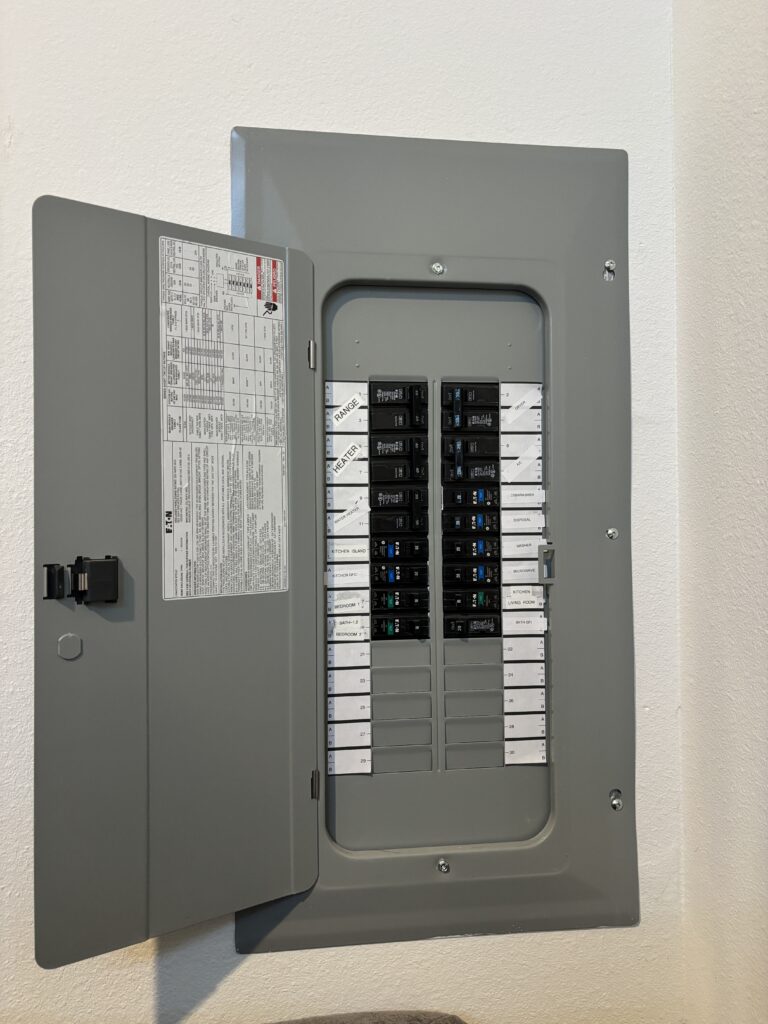
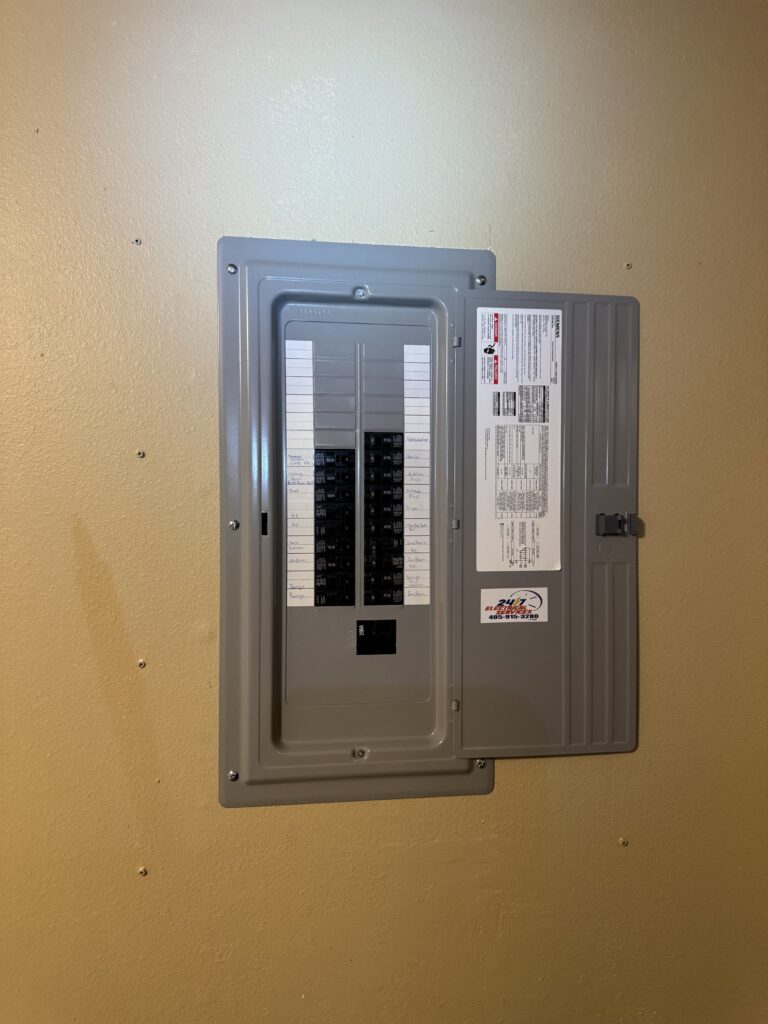
The panel connection deserves the same care as the outdoor end of the circuit. Adding a circuit may require a free breaker space or a small panel upgrade. An overloaded panel cannot safely carry new patio and pool circuits on top of the existing house load. A licensed electrician checks the panel capacity before adding any outdoor outlet. They also confirm the grounding and bonding inside the panel match the new circuit. Loose or undersized connections in the panel cause heat, tripped breakers, and fire risk. This is one more reason outdoor outlet wiring belongs with a trained professional rather than a weekend project.
Common Mistakes When Wiring Outdoor Patio Outlets
The most common patio outlet mistake is using indoor parts outside. Standard receptacles, indoor boxes, and flip covers corrode and leak within a season or two. The outlet may work at first, then fail during the first hard rain. Another frequent error is skipping GFCI protection to save a few dollars. That choice removes the one feature most likely to prevent a fatal shock. Homeowners also forget that extension cords are not a substitute for a permanent outdoor outlet. Each shortcut trades a small upfront saving for a real safety risk later.
Poor sealing is a quieter mistake that causes slow damage. Water that wicks past a missing gasket corrodes terminals and breeds nuisance tripping. Reversed polarity and loose terminals create heat that the homeowner never sees. Burying cable too shallow invites a shovel or aerator to slice the line. Running the wrong wire type underground guarantees moisture damage over time. These faults often hide until an inspection, a shock, or a tripped breaker reveals them. Fixing them after the fact usually costs more than doing the job correctly the first time.
Overloading a circuit is the mistake that shows up on the hottest days. A patio packed with fans, a mini fridge, speakers, and lights can pull more current than a thin circuit allows. The breaker trips, the party stops, and the wiring runs hot in the meantime. Matching circuit size to real summer loads prevents that frustration. A licensed electrician plans for the loads you actually use, not just today’s needs. They also leave clear labeling so future work stays safe. Avoiding these mistakes is far easier with a professional who installs outdoor outlets every week.
Why You Need a Licensed Electrician for Outdoor Outlet Installation
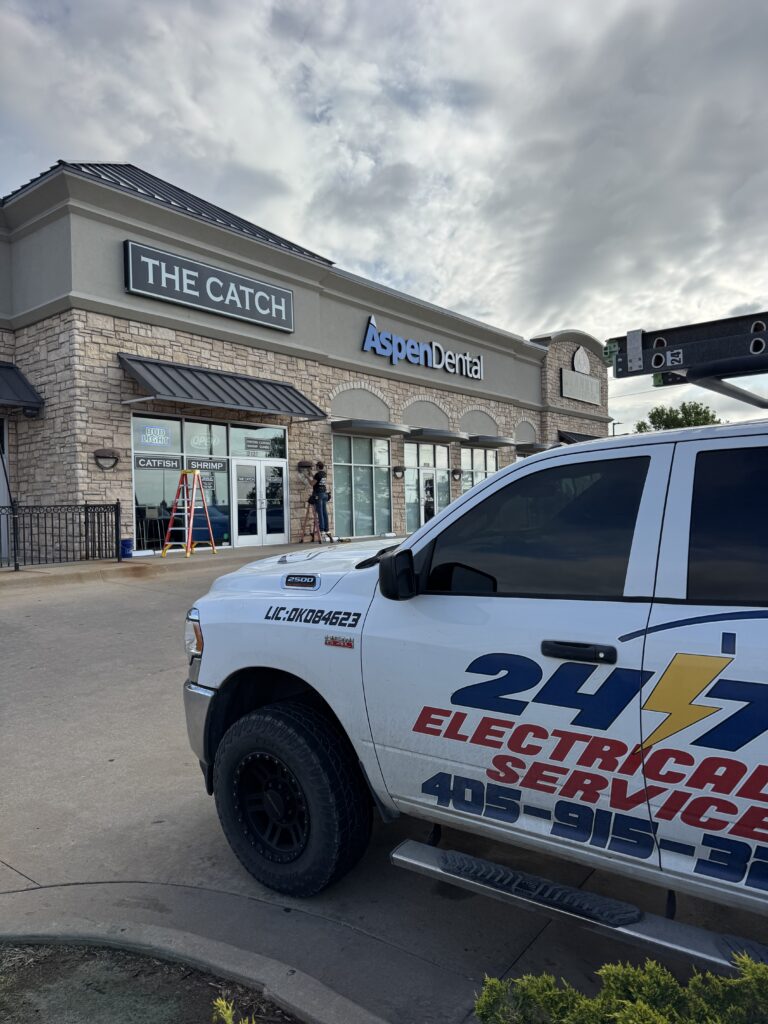
Wiring outdoor outlets for a pool and patio blends strict code, real shock risk, and water at every turn. A licensed electrician brings the training, tools, and code knowledge that keep the work safe. They pull the right permits, pass inspection, and stand behind the job. The cost of professional work is small next to the cost of a shock or a fire. 24/7 Electrical Services and Repairs installs outdoor outlets across McLoud and the surrounding area.
Professional Outdoor Outlet Installation Protects Your Family
Outdoor power near water carries risks that indoor wiring never faces. A licensed electrician treats every pool and patio circuit as a potential shock path and builds in protection. GFCI devices, proper bonding, and weatherproof parts come standard in a professional install. Each piece is tested before the job is called complete. That layered approach is what keeps swimmers and guests safe all summer.
Experience shows up in the details that a homeowner cannot easily see. Correct burial depth, sealed fittings, and the right wire type protect the circuit for decades. A professional spots an overloaded panel or a weak ground before it becomes a hazard. They also size every circuit for the real loads a pool and patio carry. These judgment calls separate a safe install from one that merely looks finished. The result is power you can trust around water.
A licensed install also protects the value and insurance standing of your home. Unpermitted or faulty outdoor wiring can complicate a claim or a sale. Inspected, code compliant work creates a paper trail that proves the job was done right. It also carries a warranty that a DIY project never will. Peace of mind is part of what you pay for with a professional.
Local Permits and Inspections for Outdoor Outlet Wiring
Most outdoor outlet and pool wiring requires a permit, and for good reason. The permit triggers an inspection that confirms the work meets the current code. An inspector checks GFCI protection, bonding, burial depth, and weatherproofing. Passing that review gives you documented proof of a safe installation. Skipping the permit risks fines and forces rework if the gap is found later.
Code editions and local rules change, so what passed years ago may not pass today. A licensed electrician tracks the edition your jurisdiction enforces. They know the McLoud area requirements and the inspectors who enforce them. That local knowledge prevents surprises and delays during your project. It also keeps your pool and patio ready for use on schedule. The right paperwork is a quiet but real part of a quality job.
Insurance and resale both lean on permitted, inspected work. A buyer’s inspector will flag outdoor wiring that lacks proper protection. An insurer may question a claim tied to unpermitted electrical work. Doing it by the book once avoids both problems for good. A professional handles the permit and inspection so you do not have to.
Why Choose 24/7 Electrical Services for Outdoor Outlets
24/7 Electrical Services and Repairs is a locally owned, family operated electrical company serving McLoud and the surrounding communities. We hold Oklahoma Electrician license number 084623 and treat every job as if it were in our own home. Our team specializes in panel upgrades, Generac generators, and safe outdoor outlet installation for pools and patios. We offer free local estimates with honest, upfront pricing and no surprises. Emergency electrical service is available around the clock when you need it most.
We back our work with a 1 year labor warranty and a 3 year panel warranty. That coverage reflects the confidence we have in every install. We pull the proper permits and meet inspection so your outdoor wiring is documented and safe. Our electricians explain the work in plain language before they start. You always know what we are doing and why it matters for your safety.
Summer is the busy season for pool and patio power, so early planning pays off. We can install new outdoor outlets, add GFCI protection, or upgrade a full panel to handle the load. Our goal is power you can enjoy without worrying about water and shock. Reach us anytime at (405) 915-3280 for fast, friendly, licensed service. Call 24/7 Electrical Services and Repairs today and get your pool and patio ready the safe way.