Is Your Electrical Panel Ready for the Summer Cooling Load
Summer heat in McLoud pushes your air conditioner to run for hours at a time. That constant demand flows straight through your electrical panel, which acts as the heart of your home’s power system. When the panel is undersized, aged, or already stressed, the extra cooling load can cause tripped breakers, warm spots, and real safety risks. Many homeowners only notice a problem during the first heat wave, when every appliance is running at once. A quick check now can save you from a sweltering afternoon with no air conditioning. This guide walks you through what the summer cooling load does to your panel and how to know when an upgrade makes sense. We want you comfortable and safe all season long.
How the Summer Cooling Load Affects Your Electrical Panel
Your central air conditioner is one of the largest electrical loads in the entire house. The compressor pulls a heavy surge of current the moment it starts, then settles into a steady draw while it runs. Add in fans, refrigerators, pool pumps, and other appliances, and your panel can sit near its limit on a hot day. The electrical panel is built to handle a set amount of current, measured in amps. When the cooling load pushes past what the panel can safely deliver, breakers trip to protect the wiring. Understanding this relationship helps you spot trouble before it leaves you without cool air.
What the Summer Cooling Load Does to a Standard Electrical Panel
A standard home panel is rated for a fixed number of amps, usually 100, 150, or 200. That rating sets the ceiling for how much power the panel can deliver at one time. During mild weather, your home rarely comes close to that ceiling. Summer changes the math in a hurry. Your air conditioner alone can demand thirty amps or more once it kicks on. When that draw stacks on top of your everyday appliances, the panel works much harder than it does the rest of the year. Heat from the surrounding air adds even more stress inside the metal cabinet. The result is a panel running hot during the exact months it can least afford to.
The compressor in your air conditioner creates a brief current spike every time it starts. Electricians call this inrush, and it can reach several times the normal running current for a split second. A healthy panel and a properly sized breaker absorb that spike without a problem. A weak or overloaded panel may trip instead, shutting your cooling system down. On a hundred degree afternoon, that single trip can turn your home into an oven within an hour. The repeated stress of starting and stopping also wears on breakers over time. Frequent cycling during a heat wave speeds that wear up considerably.
Electrical codes ask that continuous loads stay around eighty percent of a breaker’s rating. Your air conditioner often runs for long stretches on the hottest days, which makes it a continuous load. If your panel sits near full capacity already, summer cooling pushes it past that safe margin. Crowded panels with too many circuits make the situation worse. Some homes have breakers feeding two wires when they were designed for one, a practice that adds hidden risk. All of these factors come together right as outdoor temperatures peak. A panel that coasted through spring can struggle badly once July arrives.
Warning Signs Your Electrical Panel Is Struggling With the Cooling Load
The clearest sign of a struggling panel is a breaker that trips when your air conditioner turns on. A single trip might be a fluke, but a repeated pattern points to a real overload. Pay attention to the time of day these trips happen. Many homeowners notice them in the late afternoon, when the house is hottest and the cooling system runs nonstop. Lights that dim or flicker the moment the compressor starts are another red flag. That brief dip means the panel is straining to deliver the startup surge. Track these events for a few days so you can describe them clearly to an electrician.
Touch and smell can reveal problems you cannot see. A panel cover that feels warm to the hand suggests current is meeting resistance somewhere inside. A sharp smell of burning plastic or hot metal is a serious warning that demands immediate attention. Buzzing, humming, or crackling sounds from the panel mean a connection has likely come loose. Loose connections create heat, and heat in an electrical panel can lead to fire. None of these signs should wait until the weekend. If you notice any of them during a hot stretch, treat it as urgent.
Discoloration around breakers or scorch marks on the panel face tell a story of past overheating. Rust or moisture inside the cabinet weakens connections and invites corrosion. Breakers that feel loose in their slots no longer make solid contact. You might also find that certain outlets or rooms lose power during peak cooling hours. These symptoms rarely fix themselves, and they tend to worsen as the season heats up. Dealing with breakers tripping in the heat? A fast response can keep a small problem from becoming a dangerous one.
Why Older Electrical Panels Fail Under the Summer Cooling Load
Older panels were built for a different era of electrical demand. A home from the 1970s might have a hundred amp panel that handled a window unit and a few small appliances. Today that same home runs central air, multiple refrigerators, and a long list of electronics. The original panel simply was not designed for that load. Summer pushes these aging systems to their breaking point. Decades of heat cycling also loosen connections and corrode metal parts inside the cabinet. The combination of age and high demand makes a failure far more likely.
Some panel brands carry known safety problems that summer heat makes worse. Federal Pacific Stab Lok panels, for example, have breakers that may fail to trip during an overload. Zinsco panels share similar defects that allow current to flow when it should be cut off. A breaker that does not trip cannot protect your wiring from the heavy summer cooling load. That failure can let wires overheat behind your walls without any warning. If your home still has one of these panels, replacing it should be a priority. An electrician can identify the brand and tell you the safest path forward.
Aluminum branch wiring, common in homes built in the mid 1960s and 1970s, adds another layer of risk. Aluminum expands and contracts more than copper as it heats, which loosens connections over time. Summer cooling loads heat those connections more often and more intensely. Fuse boxes, rather than breaker panels, struggle even more with modern air conditioning. Replacing the wrong fuse size is an easy mistake that removes your safety margin entirely. An aging panel rarely gives much warning before it fails. Planning an upgrade before the worst heat arrives is always smarter than reacting after a breakdown.
Getting Your Electrical Panel Ready for the Summer Cooling Load
Preparing your panel for summer does not have to be complicated. A few careful checks reveal most problems long before they leave you without air conditioning. Some steps you can handle yourself with nothing more than your eyes and ears. Others call for a licensed electrician and the right tools. The goal is simple: confirm your panel can carry the full cooling load safely through the hottest weeks. A little planning in spring or early summer pays off when the temperature climbs. Below are the steps that matter most.
How to Inspect Your Electrical Panel Before the Summer Cooling Load
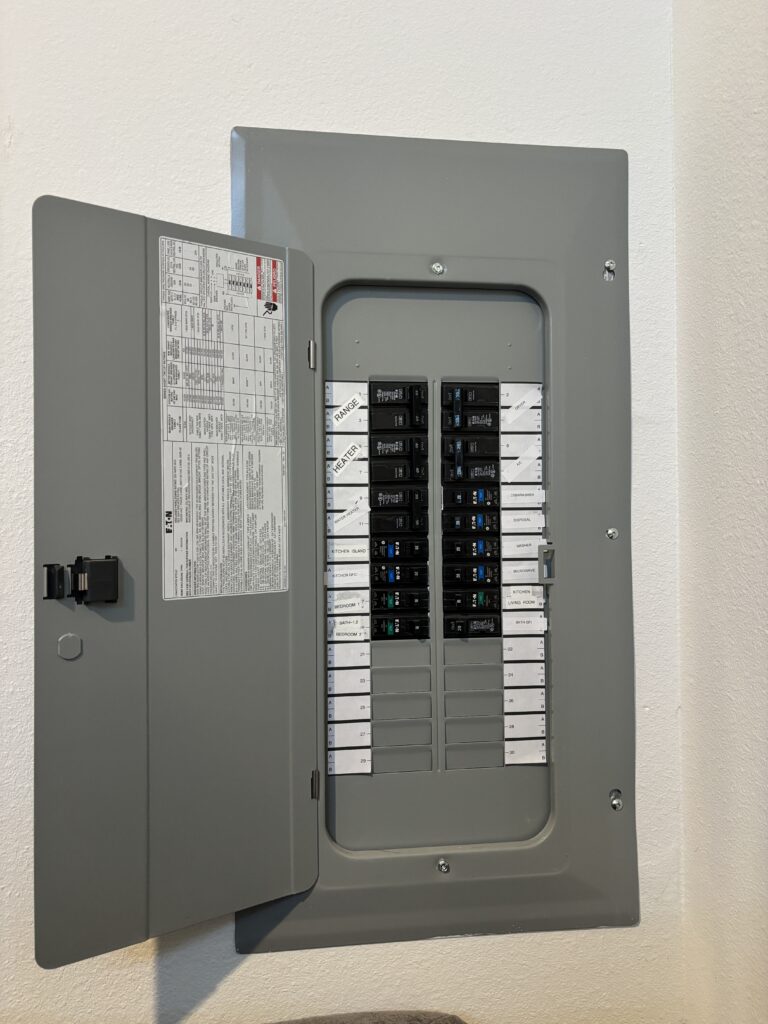
Start with a calm visual check on a cool morning before your air conditioner has been running hard. Open the panel door and look at the labels on your breakers to find your air conditioner circuit. Note the amp rating printed on that breaker so you can share it later. Look for any breaker that sits halfway between on and off, since that often signals a trip. Check that the panel cover is secure and free of rust or water stains. Scan for scorch marks, discoloration, or melted spots near any breaker. Keep your hands clear of the interior, and never remove the metal cover that protects the live parts.
Use your senses for clues during peak cooling hours. Stand near the panel when your air conditioner cycles on and listen for buzzing or crackling. Notice if the lights in the house dim at that exact moment. Feel the panel cover with the back of your hand, checking for warmth rather than holding your palm flat against it. A warm cover, an odd smell, or a strange sound all point to a deeper issue. Write down what you find along with the time of day. These notes give an electrician a head start on diagnosing the problem.
Count how many circuits your panel feeds and look for signs of crowding. A panel with every slot filled, plus tandem breakers squeezed in, often signals a home that has outgrown its electrical service. Check the main breaker rating at the top of the panel to learn your total capacity. Compare that number against the demands of your air conditioner and major appliances. If the math feels tight, your panel may not have room for the summer load. A simple inspection cannot measure everything, though, since loose connections hide behind the cover. A professional inspection with the right tools catches what a quick look cannot.
When an Electrical Panel Upgrade Handles the Cooling Load Best
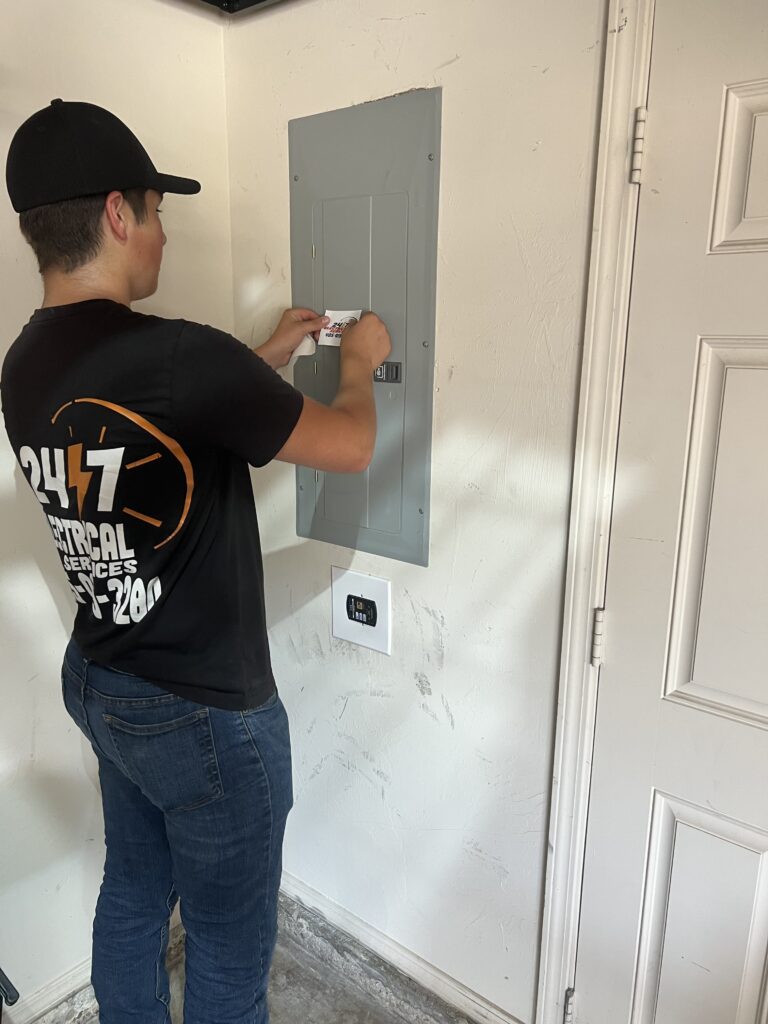
Sometimes a cleaning and a few tightened connections solve the problem. Other times the panel simply lacks the capacity your home now needs. A home that adds central air to a hundred amp service often crosses into upgrade territory. Two hundred amp service has become the standard for modern homes that run heavy cooling. An upgrade gives you both more capacity and more room for future circuits. It also replaces aging breakers with new ones that trip reliably. The peace of mind through a brutal summer is hard to overstate.
A panel upgrade does more than add amps. It lets an electrician install a dedicated, correctly sized breaker for your air conditioner. The right breaker handles the startup surge without nuisance trips and protects the circuit during long runs. Modern panels also use better bus bars and connections that resist heat far better than older designs. If your home has a Federal Pacific, Zinsco, or fuse based system, an upgrade removes a genuine fire risk. The job restores a proper safety margin for the summer cooling load. That margin is exactly what keeps your family cool and protected.
The right time to upgrade is before a failure, not after. Scheduling the work in spring or early summer avoids the misery of losing air conditioning in peak heat. A planned upgrade also gives you time to choose the right capacity for your needs. Trying to limp an old panel through one more summer often costs more in the long run. Repeated breaker replacements and emergency calls add up quickly. Need more capacity for your cooling system? Planning ahead turns a stressful breakdown into a smooth, scheduled improvement.
How a Generator Protects Your Electrical Panel and Cooling Load
Summer storms across the region often knock out power right when you need cooling most. A whole home standby generator keeps your air conditioner and panel running through an outage. The generator connects to your electrical system through a transfer switch that works alongside your panel. When the utility power drops, the system switches over automatically within seconds. Your family stays cool and safe while the neighborhood sits in the dark. This protection matters most for households with medical needs or young children.
A generator and your panel work as a team. The transfer switch must be sized and installed to match your panel and your cooling load. An undersized setup cannot carry the air conditioner along with your other essentials. A proper installation accounts for the compressor startup surge, just like a correctly sized breaker does. As Generac generator specialists, we match the system to your home and your electrical service. That careful sizing keeps the generator from straining during the heaviest summer demand. The result is reliable cooling no matter what the weather does.
A generator also reduces the wear that repeated outages cause to sensitive equipment. Air conditioners dislike sudden power loss followed by an abrupt restart. Clean, steady backup power protects the compressor and the panel alike. Pairing a generator with a healthy, properly sized panel gives you the strongest summer protection available. The two systems together handle both overload risk and outage risk. Curious how a generator fits your summer cooling needs? The right combination keeps your home comfortable through any summer challenge.
Why You Need a Professional to Ready Your Electrical Panel for Summer
Your electrical panel carries the entire summer cooling load for your home. Mistakes inside it can lead to fire, shock, or a complete loss of power on the hottest day of the year. A licensed electrician brings the training, tools, and experience to handle that risk safely. Working inside a live panel is never a do it yourself project. Hiring a professional protects your home, your family, and your comfort all season. The right help also saves you money by catching problems early.
Why Professional Electrical Panel Service Protects Your Summer Comfort
A trained electrician sees risks that stay hidden from an untrained eye. We measure the actual load on your panel rather than guessing at it. We check the connections, since loose lugs create the heat that starts fires. We confirm your air conditioner breaker is sized correctly for both startup and continuous demand. That level of detail keeps your cooling system running through the worst heat.
Professional service also means the work meets electrical code. Code exists to keep people safe, and a panel that follows it protects your home for decades. We pull the proper permits and handle inspections so the work is documented and legal. That paperwork matters when you sell your home or file an insurance claim. Cutting corners on a panel risks both safety and resale value. A proper job done once beats a cheap fix done twice.
The cost of a professional far outweighs the cost of a failure. A panel fire can destroy a home and put lives at risk. A breakdown during a heat wave can spoil food and make a house unlivable. We carry the license, insurance, and warranty that protect you if anything goes wrong. That protection is something no shortcut can offer. Your comfort and safety deserve real expertise.
What to Expect From Our Electrical Panel Summer Service
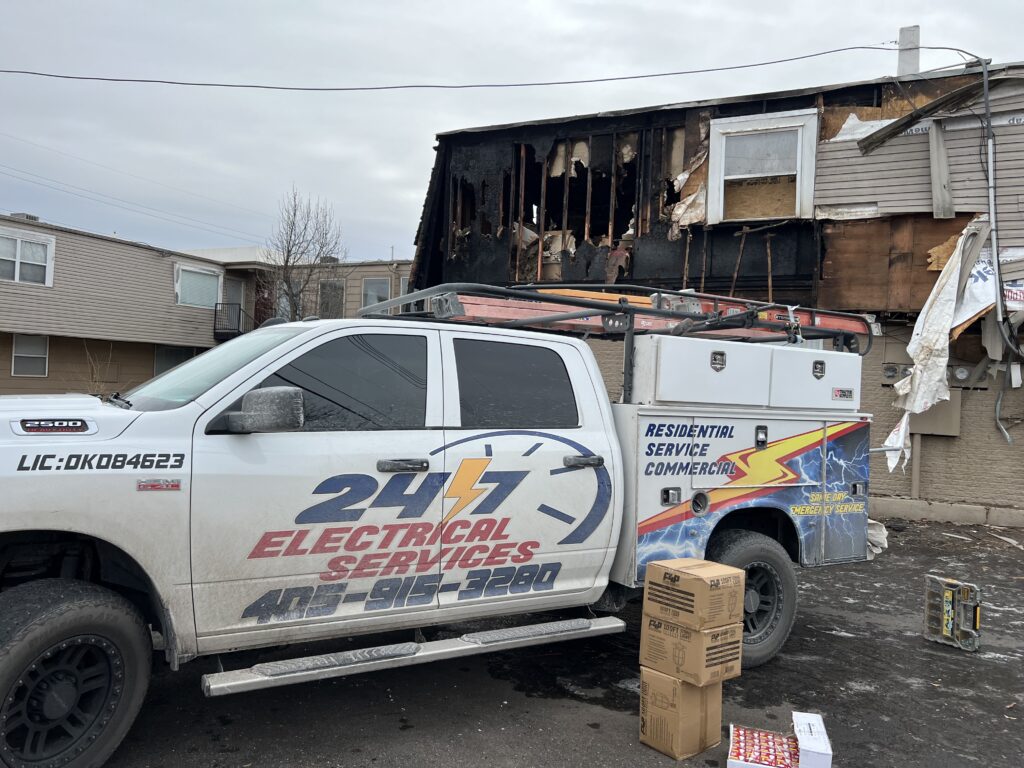
Our visit starts with honest, upfront pricing and a free local estimate. We listen to your concerns and ask about any trips, sounds, or smells you have noticed. Then we open the panel and perform a full inspection of its condition and capacity. We test connections, check breaker ratings, and measure the load your home actually draws. You receive a clear explanation of what we find, with no pressure and no surprises.
If your panel needs only minor work, we tighten connections and replace any worn breakers. If it needs more capacity, we walk you through a proper upgrade in plain language. We size everything for your real cooling load, including that compressor startup surge. Our team handles permits and inspections so you do not have to. Every job comes backed by our one year labor warranty and three year panel warranty.
We work on your schedule and respect your home while we are in it. Our trucks carry the parts needed to finish most jobs in a single visit. When an emergency strikes, our 24/7 service means help is only a call away. We treat every home as if it were our own family’s home. That standard guides everything we do, from the first call to the final test.
Why Choose 24/7 Electrical Services and Repairs for Your Electrical Panel
We are a locally owned and family operated electrical company that knows the summers here. Our work is backed by a licensed Oklahoma electrician, license number 084623. We built our reputation on honest pricing, clean work, and treating people right. Our neighbors trust us because we show up, explain things clearly, and stand behind every job. That trust is something we protect with every panel we service.
We specialize in panel upgrades and Generac generators, the two systems that matter most for summer reliability. That focus means we have seen nearly every panel problem the heat can create. We carry a one year labor warranty and a three year panel warranty on our work. Our 24/7 emergency service means you are never left waiting in the heat. Free local estimates make it easy to get started with no risk.
Getting your panel ready for the summer cooling load is one of the smartest moves you can make this year. A safe, properly sized panel keeps your family cool, comfortable, and protected. Let us inspect, upgrade, or back up your system before the next heat wave arrives. Honest pricing and a free local estimate make the first step easy. Call us today at (405) 915-3280 to schedule your free local estimate before the heat peaks.