How to Protect Your Home From Power Surges During Summer Storms
Summer storms bring more than heavy rain and wind to your home. They also bring a real risk of power surges that can damage your electronics, appliances, and electrical system. A power surge is a sudden spike in voltage that pushes more electricity through your wiring than the system was built to handle. These spikes happen fast, often in less than a millisecond, yet they can ruin sensitive devices in an instant. Many homeowners in the McLoud area only think about surge protection after a storm has already caused damage. The good news is that you can take simple steps now to guard your home before the next big storm rolls in. This guide breaks down what causes these surges and how to stop them from harming your property.
What Causes Power Surges During Summer Storms
Understanding the source of the problem helps you choose the right protection. Power surges during summer storms come from several places, and not all of them are obvious. Lightning gets most of the blame, and it does cause some of the worst surges. Still, many spikes start inside your own home or along the local power grid. Storm season simply makes every one of these causes more likely to strike at once. Knowing each source gives you a clear picture of where your home is most exposed.
Lightning Strikes That Cause Power Surges During Summer Storms
Lightning is the most powerful cause of power surges during summer storms. A single bolt can carry hundreds of millions of volts and reach temperatures hotter than the surface of the sun. When lightning strikes a power line near your home, that energy travels straight through the wires and into your electrical panel. It does not need a direct hit on your house to cause damage. A strike a quarter mile away can still send a damaging spike through buried lines, overhead cables, and underground utility connections. The surge then races through your outlets and into anything plugged into them. Televisions, computers, and HVAC control boards are common victims. This is why lightning surges often ruin several devices at the same moment.
Lightning can also enter your home through paths you might not expect. Cable lines, phone lines, and internet coax all carry surge energy during a storm. A protector on your power strip does nothing if the spike comes in through your cable connection instead. Satellite dishes and rooftop antennas raise the risk even more because they sit high and exposed. The energy from a nearby strike can jump across gaps and find a path to ground through your equipment. Once inside, it looks for the easiest route, which often runs through your most expensive electronics. Whole home protection matters because it covers the main entry point for these spikes. Single outlet protectors alone cannot guard every line that enters your house.
The frequency of lightning rises sharply during summer months across Oklahoma. Warm, humid air fuels the tall thunderstorms that produce the most strikes. Our region sits in an active corridor for severe weather, and storm cells can build quickly on hot afternoons. Each strike near a power line is a chance for a surge to enter local homes. Older neighborhoods with overhead utility lines tend to see more lightning related damage. Homes with newer wiring and proper surge devices fare much better. A licensed electrician can inspect your service entrance and recommend the right level of protection. Want to safeguard your electronics before the next storm?
Power Grid Problems That Cause Power Surges During Summer Storms
The local power grid is another major source of power surges during summer storms. Utility equipment works overtime when air conditioners run across an entire town at once. High demand on hot days can stress transformers and switching stations beyond their normal limits. When a transformer fails or a line goes down in a storm, the grid can send irregular voltage to your home. Utilities also switch power between circuits to balance load, and these switches can create small spikes. A downed line that touches another can push a sudden jolt into the system. All of these events grow more common during summer storm season. Your home sits at the end of this chain and feels every shift.
Brownouts often go hand in hand with grid related surges. A brownout is a drop in voltage rather than a spike, and it usually happens when demand is too high. When power returns to normal after a brownout, the sudden rise can act like a surge. Motors in your refrigerator, air conditioner, and well pump strain during low voltage and again when full power returns. This cycle wears down equipment over time even when no single event destroys it. The damage builds slowly and shows up as shortened appliance life. Many homeowners blame old age when the real cause was repeated voltage swings. Steady protection guards against both the spikes and the dips.
Power restoration after a storm outage carries its own surge risk. When crews bring a circuit back online, the first rush of power can spike above normal levels. Everything that was plugged in during the outage faces that first jolt at once. This is one reason electricians suggest unplugging sensitive devices during a long outage. A whole home surge protector at your panel catches these restoration spikes before they spread. Point of use protectors at the outlet add a second layer of defense for your most valuable gear. Together they form a layered system that handles surges from any direction. A professional can size and install both for your specific home.
Appliance Cycling That Causes Power Surges During Summer Storms
Not every surge comes from outside your walls. In fact, most power surges during summer storms and everyday life start inside the home. Large appliances with motors draw a big burst of power when they switch on. Your central air conditioner is the biggest culprit during summer because it cycles on and off all day. Each time the compressor kicks in, it pulls a heavy load that can dip and spike the voltage in your home. Refrigerators, dryers, and well pumps do the same on a smaller scale. These internal surges are small, but they happen many times a day. Over months and years, they wear on the circuit boards inside your electronics.
Summer makes internal surges worse because the air conditioner runs so often. On a hot Oklahoma afternoon, your compressor may cycle dozens of times. Each start sends a small ripple through your wiring that other devices must absorb. When a storm adds outside surges on top of this constant internal stress, the total load rises fast. Sensitive electronics like smart TVs, gaming consoles, and computers feel this strain the most. Their delicate boards were not built to take repeated voltage hits. A surge that a simple lamp would shrug off can corrupt a circuit board in seconds. This is why surge protection should cover the whole home and not just one room.
Proper electrical design helps reduce the impact of appliance cycling. Dedicated circuits for large appliances keep their surges away from your sensitive electronics. A correctly sized panel handles heavy loads without creating extra voltage swings. Good grounding gives surge energy a safe path away from your devices. An electrician can check that your major appliances are wired on their own circuits. They can also confirm that your panel has room for a surge protective device. Small upgrades like these make a big difference over the life of your home. Curious if your panel can handle a surge protector?
The Best Ways to Protect Your Home From Power Surges During Summer Storms
The strongest defense uses more than one layer of protection. Stopping power surges during summer storms means guarding the main service entrance and the individual outlets at the same time. No single device blocks every type of spike on its own. A smart plan combines whole home protection, point of use protectors, and solid grounding. Each piece handles a different part of the threat. Put together, they keep most surge energy out of your home and away from your equipment. The sections below explain how each layer works.
Whole Home Surge Protection Against Power Surges During Summer Storms
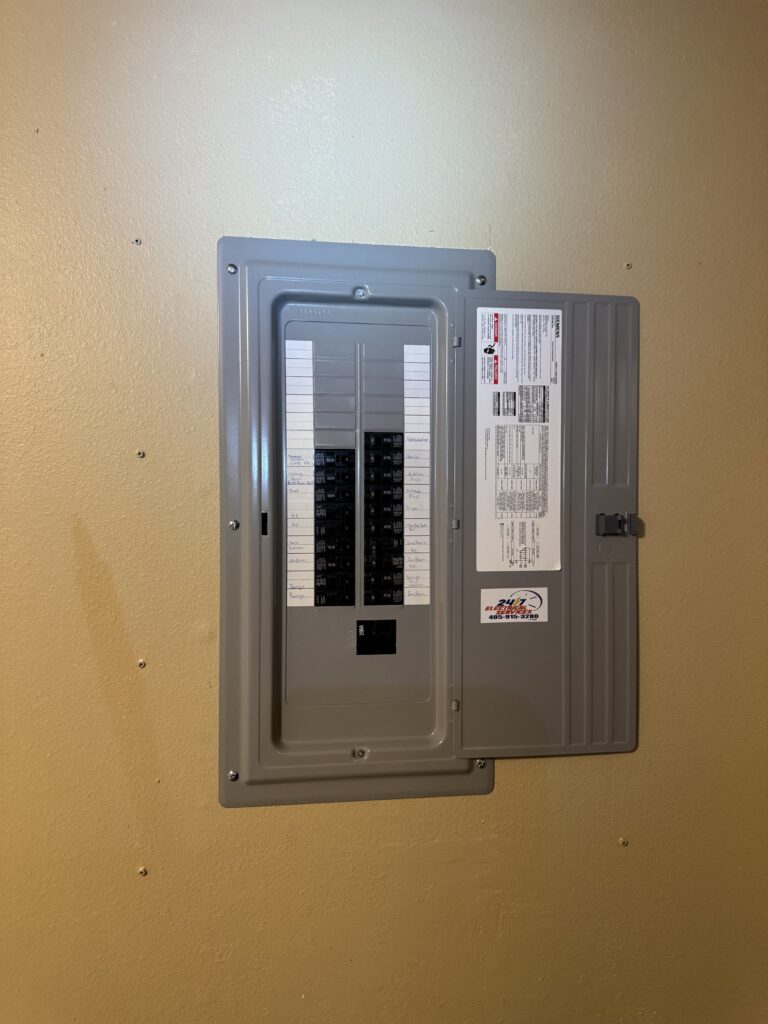
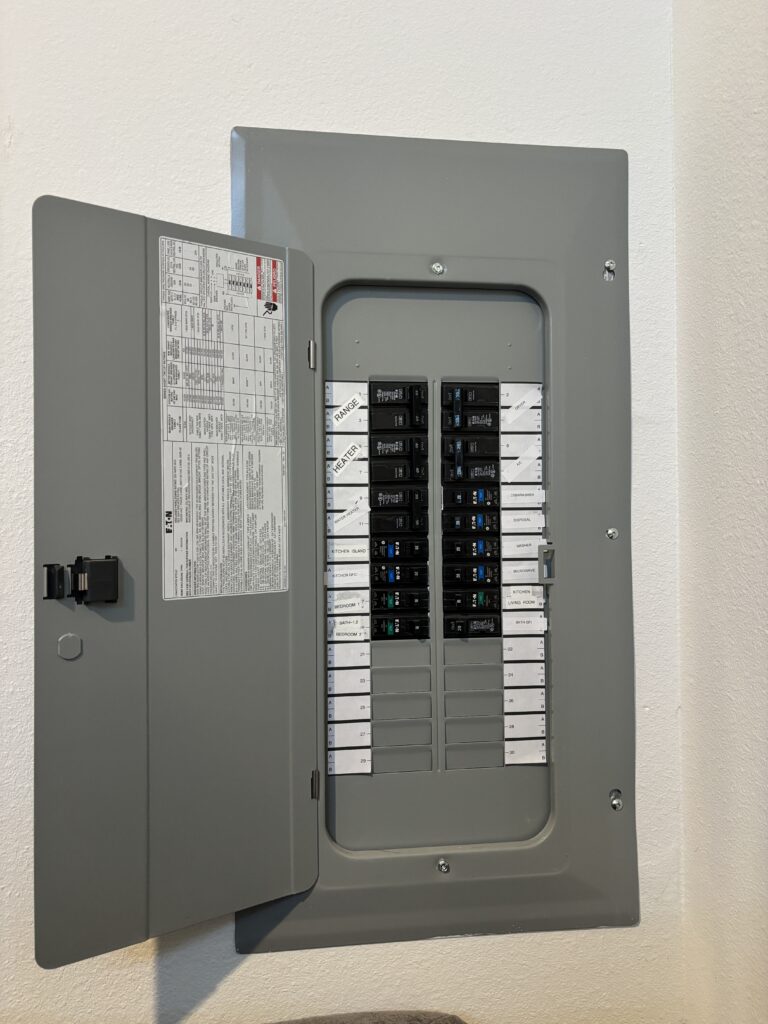
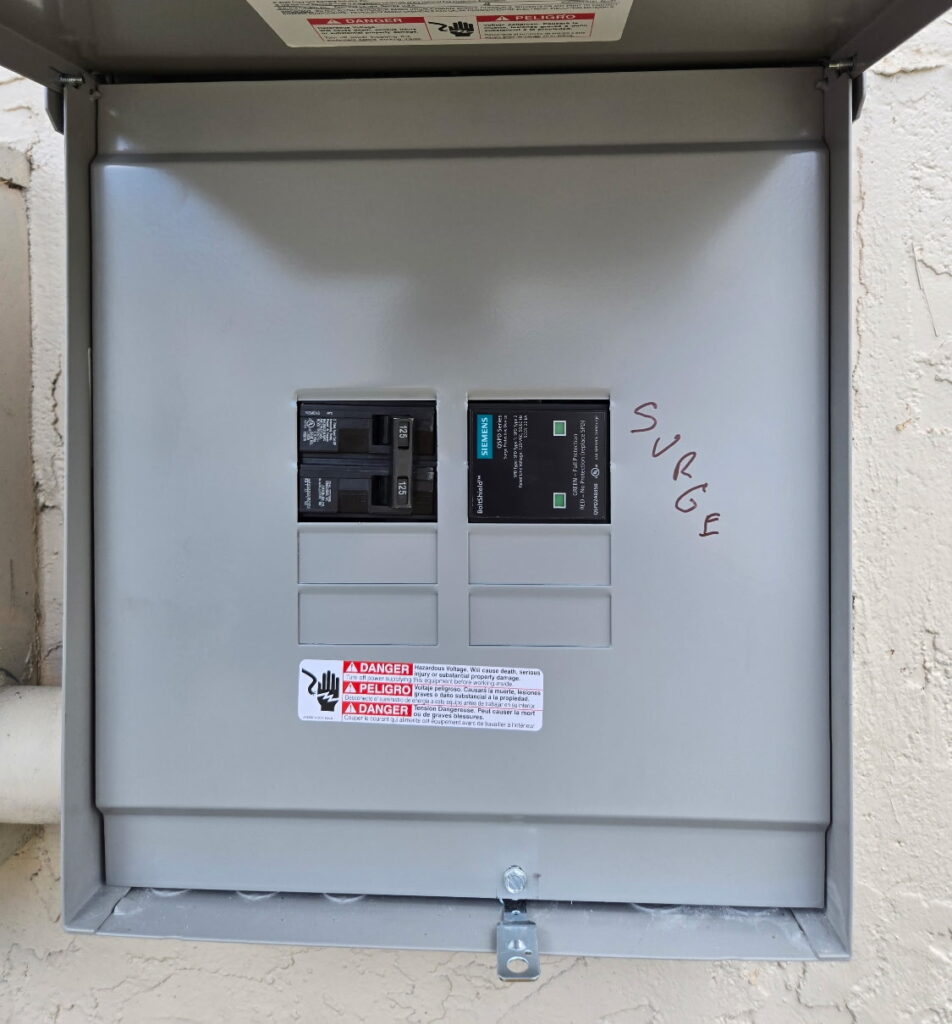
A whole home surge protector is the first and most important layer of defense. This device installs at or near your main electrical panel where power enters the house. It watches the incoming voltage and reacts the instant a spike appears. When a surge arrives, the protector diverts the extra energy safely to ground before it reaches your circuits. These units handle large surges that single outlet protectors cannot touch. Electricians often call them Type 1 or Type 2 surge protective devices, depending on where they sit. Both follow the UL 1449 safety standard that governs surge equipment. A licensed electrician must install these because they connect directly to your panel.
The strength of a whole home surge protector is measured in part by its joule rating and clamping voltage. The joule rating shows how much energy the device can absorb before it wears out. A higher rating means a longer life and better protection during repeated storms. Clamping voltage is the level at which the device starts to divert energy, and a lower number reacts sooner. Response time matters too, since the best units act in nanoseconds. A quality whole home protector covers every circuit in your panel at once. This means your air conditioner, refrigerator, and bedroom outlets all gain protection from one unit. The cost is small compared to replacing a damaged HVAC control board.
Whole home protection works best when it is paired with good grounding. The protector needs a clear path to send surge energy into the earth. A weak or corroded ground connection limits how well the device performs. This is one reason professional installation matters so much. An electrician checks the grounding system before adding the surge device. They also confirm the panel is in good shape and free of corrosion or loose connections. Many older homes in our area need a ground upgrade to get full protection.
Point of Use Surge Protectors for Power Surges During Summer Storms
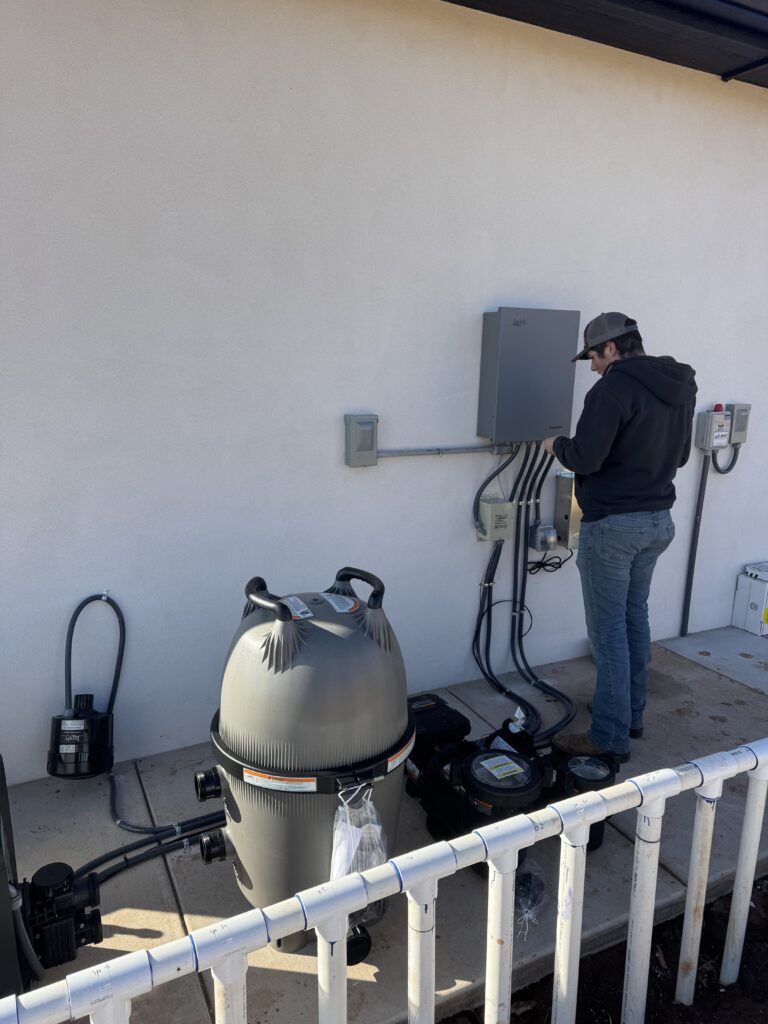
Point of use surge protectors form the second layer of defense against power surges during summer storms. These are the strips and plug in units you place at the outlet near your electronics. They catch the smaller surges that slip past the panel and the internal spikes from appliance cycling. A good strip protects your computer, television, and home office gear at the spot where it plugs in. These devices are simple to use and easy to replace. They work best as a backup to whole home protection rather than a standalone fix. The two layers together stop both the big strikes and the small ripples. Used alone, a power strip cannot handle a direct lightning surge.
Not all power strips offer real surge protection. A basic strip only adds more outlets and does nothing to stop a spike. Look for a unit that lists a joule rating and the UL 1449 mark. A higher joule rating gives your devices more protection and a longer service life. Some strips include indicator lights that show when the protection has worn out. This matters because surge protectors degrade after they absorb enough hits. A unit that has done its job may still power your devices while no longer guarding them. Replace any strip that has taken a major surge or lost its indicator light.
Place point of use protectors where your most valuable electronics live. Home offices, entertainment centers, and kitchens with smart appliances all benefit. Protect the data lines too, since some strips include coax and phone jacks. Surge energy can travel through cable and internet lines just as it does through power lines. A strip that guards both power and data closes a gap that many homeowners miss. Keep cords short and avoid daisy chaining one strip into another. Overloaded strips can overheat and create a fire risk of their own. A licensed electrician can recommend the right protectors for each room in your home.
Proper Grounding to Stop Power Surges During Summer Storms
Grounding is the foundation that makes all surge protection work. A grounding system gives extra electrical energy a safe path into the earth. Without it, a surge has nowhere to go but through your devices and wiring. Every surge protector relies on a solid ground to do its job. Your home connects to ground through rods driven into the soil and a network of wires. Over time, these connections can corrode, loosen, or break. A weak ground leaves even the best surge protector unable to divert energy. This is why grounding should be the first thing an electrician checks.
Many older homes were built before modern grounding rules took effect. Some have only a single ground rod where current code calls for more. Others rely on metal water pipes that have since been replaced with plastic. These gaps in the grounding system put the whole home at risk during storms. A surge that cannot reach ground will find another path, usually through your appliances. Bonding all metal systems together also helps keep voltage steady during a strike. An electrician tests the ground resistance to confirm it meets safe limits. Repairs are often simple and far cheaper than the damage a poor ground allows.
Good grounding protects people as well as equipment. A properly grounded system reduces the risk of electric shock during a fault. It also helps your breakers trip the way they should when something goes wrong. During a storm, a sound ground keeps surge energy from building up where it can cause harm. This protects both your family and your home from fire and shock hazards. Grounding upgrades pair naturally with a whole home surge protector install. Doing both at once saves on labor and gives you full protection in one visit. A licensed electrician can handle the inspection and any needed repairs.
Why You Need Professional Surge Protection Before the Next Summer Storm
Storms do not wait for a convenient time to strike. The smart move is to protect your home before the next round of summer weather arrives. Professional surge protection covers every entry point and gives you peace of mind. A trained electrician sizes the right devices, installs them safely, and confirms your grounding can support them. This is work that affects your safety and should not be left to guesswork. The right setup pays for itself the first time it stops a damaging surge.
When to Call an Electrician About Power Surges During Summer Storms
Certain warning signs mean it is time to call an electrician about power surges during summer storms. Flickering or dimming lights when an appliance turns on can point to a voltage problem. Outlets that feel warm or show scorch marks need attention right away. A burning smell near your panel or outlets is a serious red flag. If your electronics fail one by one after storms, surges are a likely cause. Acting early on these signs prevents larger damage down the road.
You should also call after any known surge event hits your home. A nearby lightning strike or a power outage with a rough restoration can damage your protection. Surge devices wear out and may need replacement after a major hit. An electrician can test your existing protection and confirm it still works. They can also check your panel for hidden damage that a surge may have caused. Catching this early keeps a small problem from turning into a big one.
New equipment is another good reason to schedule a visit. Adding a home office, a new HVAC system, or a backup generator changes your electrical needs. Each of these investments deserves proper surge protection from day one. An electrician can update your setup to match your new load. They can also confirm your panel and grounding are ready for the added demand. A quick inspection now protects the money you just spent on new gear.
The Cost of Ignoring Power Surges During Summer Storms
Ignoring power surges during summer storms can cost far more than the protection itself. A single lightning surge can destroy a television, a computer, and an HVAC control board in one stroke. Replacing all of that adds up to thousands of dollars in a single event. Surge protection for the whole home costs a small fraction of that loss. The math favors protection every time you weigh it against the risk. Most homeowners only run the numbers after a costly failure.
The slow damage from repeated surges is just as expensive over time. Small spikes shorten the life of every appliance and device in your home. An air conditioner that should last fifteen years may fail in ten. Computers and smart devices lose reliability long before they should. This hidden wear drains your budget through early replacements you never connect to surges. Steady protection stretches the life of everything you own.
There is also the matter of safety and lost data. A surge that damages wiring can create a fire risk inside your walls. Lost files and corrupted devices carry a cost that goes beyond money. Downtime for a home business means missed work and missed income. Protection guards against all of these outcomes at once, and the peace of mind alone is worth the modest investment.
Why Choose 24/7 Electrical Services for Surge Protection
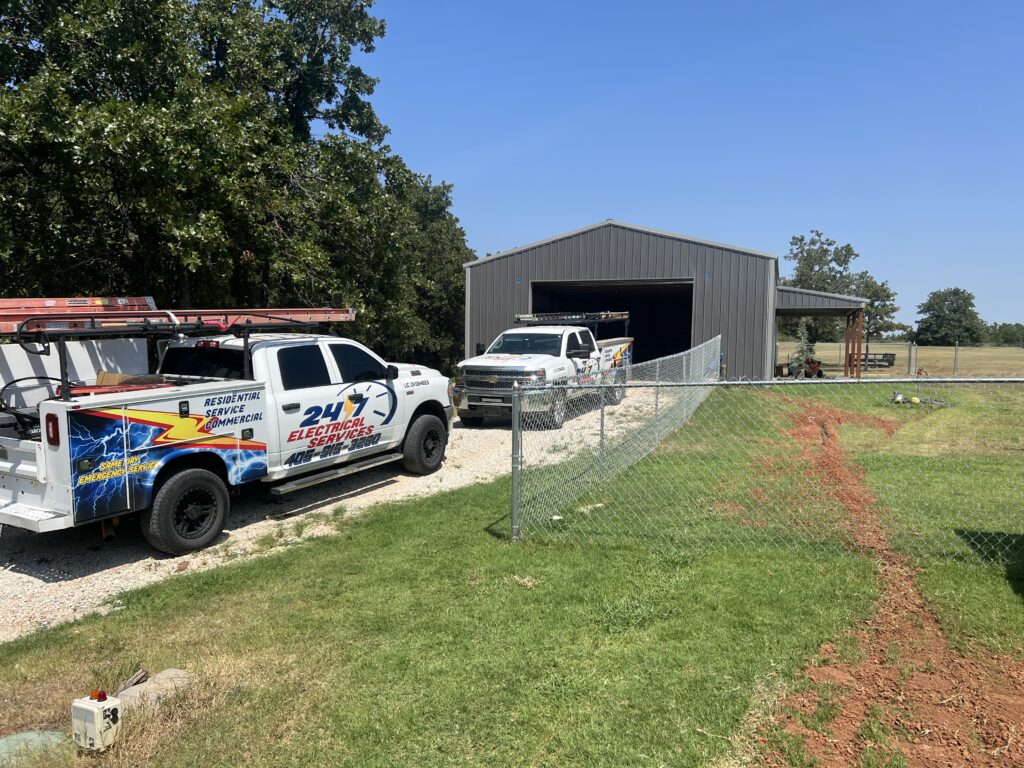
24/7 Electrical Services and Repairs brings local knowledge and honest pricing to every surge protection job. We are a locally owned and family operated electrical company that serves McLoud and the surrounding area. Our work is backed by a licensed Oklahoma electrician, license number 084623. We offer free local estimates with upfront pricing, so you know the cost before we begin. Our team treats your home with the same care we would give our own. You get straight answers and quality work every time.
We specialize in panel upgrades and surge protection that stands up to summer storms. Our electricians install whole home surge devices, repair grounding systems, and add point of use protection where you need it most. We back our work with a one year labor warranty and a three year panel warranty. Storms do not keep business hours, so we offer 24/7 emergency electrical service. When a surge strikes at midnight, you can reach a real electrician for help. We handle the urgent calls that other companies put off until morning.
Choosing the right electrician protects your home and your wallet for years to come. We take pride in clear communication, clean work, and lasting results. Our customers trust us because we stand behind every job and treat them fairly. We will inspect your system, explain your options, and recommend only what your home truly needs. Protect your home before the next storm and gain real peace of mind. Call 24/7 Electrical Services and Repairs today at (405) 915-3280 to schedule your free estimate.