Why Does My Breaker Keep Tripping When the AC Runs
A breaker that trips every time the air conditioner kicks on is more than an annoyance. It is your electrical panel telling you that something is wrong. In the heat of a McLoud summer, an AC that keeps shutting itself off can leave your home uncomfortable within minutes. The good news is that a tripping breaker is almost always a warning sign with a fixable cause. The bad news is that ignoring it can lead to overheated wiring, damaged equipment, and a real fire risk. This guide explains the most common reasons your breaker keeps tripping when the AC runs, how the problem gets diagnosed, and when it is time to call a licensed electrician.
Common Reasons a Breaker Keeps Tripping When the AC Runs
A circuit breaker has one job. It cuts power when the current flowing through it climbs past a safe level. When your AC starts up and the breaker trips, the breaker is doing exactly what it was built to do. The real question is what is pushing the current that high in the first place. Several issues can be the culprit, and they range from a simple overloaded circuit to a failing compressor inside the unit itself. Knowing the usual suspects helps you describe the problem clearly and avoid guesswork. Below are the three most common causes we find in local homes.
How an Overloaded Circuit Makes a Breaker Trip When the AC Runs
An overloaded circuit is the most common reason a breaker trips when the AC runs. Every circuit in your home is rated for a specific amount of current, measured in amps. A central air conditioner draws a large surge of power the moment the compressor starts. If other devices share that same circuit, the combined demand can push past the breaker rating in an instant. The breaker senses the overload and shuts the circuit down to protect the wiring. This happens most often on hot afternoons when the AC runs hardest and longest. The fix usually involves moving some loads to another circuit or giving the AC its own line.
Central air conditioners are supposed to run on their own dedicated circuit for this exact reason. A dedicated circuit gives the unit all the current it needs without competition from lights, outlets, or appliances. Older homes in the area sometimes lack this setup because the wiring was installed before central air was common. In those cases, the AC shares a circuit it was never meant to share. Add a microwave, a hair dryer, or a space heater on the same line, and the breaker trips almost immediately. An electrician can test the circuit and confirm if the load is the problem. Running a new dedicated circuit is a clean, lasting solution.
Sometimes the overload is not about other devices at all. The air conditioner itself can pull more amps than it should when parts wear out or get dirty. A clogged air filter or dirty condenser coils force the system to work harder and draw extra current. Low refrigerant can make the compressor run longer and hotter, which raises the amp draw over time. These mechanical issues fall on the HVAC side, yet they show up first as a tripping breaker. A licensed electrician can measure the actual current draw and tell you if the unit is pulling more than the circuit can handle.
How a Failing AC Compressor Makes a Breaker Trip When the AC Runs
The compressor is the heart of your air conditioner, and it is also the part that draws the most power. When a compressor starts to fail, it can pull a heavy surge of current that trips the breaker right away. This often happens the moment the unit tries to start, before it ever reaches full speed. A compressor that is seizing or struggling to turn is known in the trade as a hard start. The motor windings inside can also short out and send current straight to ground. When that happens, the breaker trips instantly every single time the AC tries to run. This is a serious failure that needs professional attention.
A bad capacitor is a frequent companion to compressor trouble. The start capacitor gives the compressor the jolt of energy it needs to begin turning. When the capacitor weakens or fails, the compressor strains to start and pulls far more current than normal. That extra draw can trip the breaker before the system gets going. Capacitors are inexpensive parts, but a failing one stresses the entire system. Replacing it often restores normal operation and stops the tripping. An electrician or HVAC technician can test the capacitor in a few minutes with the right meter.
A grounded compressor is the most severe version of this problem. Over years of heat and vibration, the insulation on the compressor windings can break down. Once that insulation fails, electricity leaks to the metal housing and creates a dead short. The breaker reacts the way it should and cuts power before anything catches fire. A unit with a grounded compressor will trip the breaker the second power reaches it. At this stage the compressor usually needs replacement, and a professional should confirm the diagnosis before any work begins.
How a Weak or Aging Breaker Trips When the AC Runs
Breakers do not last forever, and a worn breaker can trip even when nothing else is wrong. Each time a breaker trips and resets, it experiences a small amount of internal stress. Over many years and many cycles, the internal mechanism weakens and becomes more sensitive. A tired breaker may start tripping at a lower current than its rating suggests. This means a normal AC startup that once passed without trouble now trips the circuit. The breaker is being overly cautious because its internal parts have worn down. Replacing the breaker is a straightforward repair for a licensed electrician.
Heat is the enemy of any breaker, and the panel is a hot place during summer. A breaker that runs warm for years loses some of its accuracy. Loose connections at the breaker terminal make the problem worse by creating resistance and extra heat. That heat can cause nuisance tripping that comes and goes with the temperature. You might notice the breaker trips more on the hottest days and behaves on cooler ones. This pattern points to a thermal issue at the breaker or its connection. An electrician will check the terminal tightness and the breaker temperature during an inspection.
Not every old breaker is safe to simply swap out. Some older panels use breaker brands that are known to be unreliable and even hazardous. Certain panel makes have a history of breakers that fail to trip when they should, or trip when they should not. If your home has one of these panels, replacing a single breaker may not solve the underlying risk. A full panel evaluation is the smart move in that situation. A licensed electrician can identify the panel brand and recommend the safest path forward. Is your panel outdated or full of worn breakers?
How to Diagnose a Breaker That Keeps Tripping When the AC Runs
Finding the exact cause of a tripping breaker takes a careful, step by step approach. Guessing wastes time and can put you in danger around live electricity. The goal is to narrow the problem down to the circuit, the unit, or the breaker itself. A good diagnosis separates an electrical fault from a mechanical AC fault. It also tells you if the repair is simple or if the panel needs attention. Here is how the process works, starting with safety and ending with the repair.
Safety Steps Before You Diagnose a Tripping AC Breaker
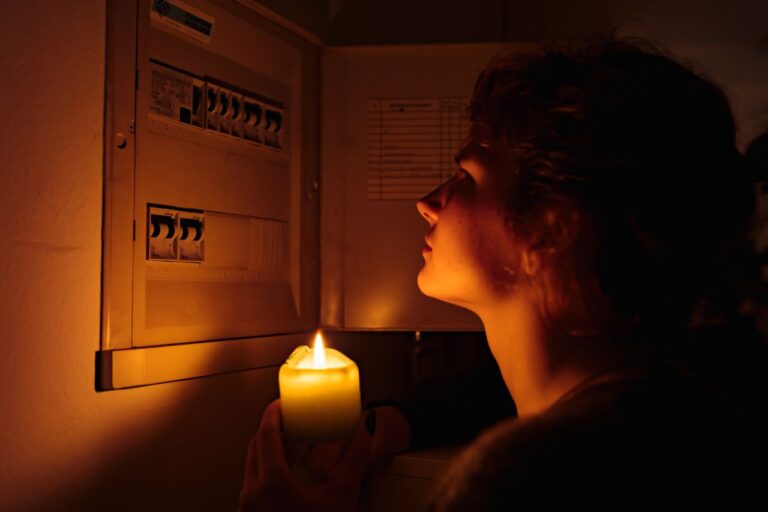
Safety comes first any time you work near an electrical panel. The panel carries enough current to seriously injure or kill, so respect it. Before you touch anything, make sure your hands are dry and you are standing on a dry surface. Never remove the panel cover unless you know exactly what you are doing. If you smell burning, see scorch marks, or notice melted plastic, stop right there. Those signs point to an active hazard that needs a professional immediately. When in doubt, leave the cover on and call a licensed electrician.
It is fine to reset a tripped breaker once to see if it holds. Turn the breaker fully off, then firmly back to the on position. If it trips again right away, do not keep resetting it over and over. Repeated resets on a faulty circuit build heat and raise the fire risk. A breaker that trips the moment you reset it is pointing to a short or a ground fault. That instant trip is your cue to stop and get help rather than fight the panel.
Pay attention to the timing of the trip, because it tells a story. A breaker that trips the instant the AC starts usually points to a short or a hard fault. A breaker that trips after the AC runs for several minutes usually points to an overload or a heat issue. Note how often it happens and at what time of day. Write down what else was running in the house when the breaker tripped. These small details help your electrician find the cause faster and keep your service call short.
What an Electrician Checks on a Tripping AC Breaker
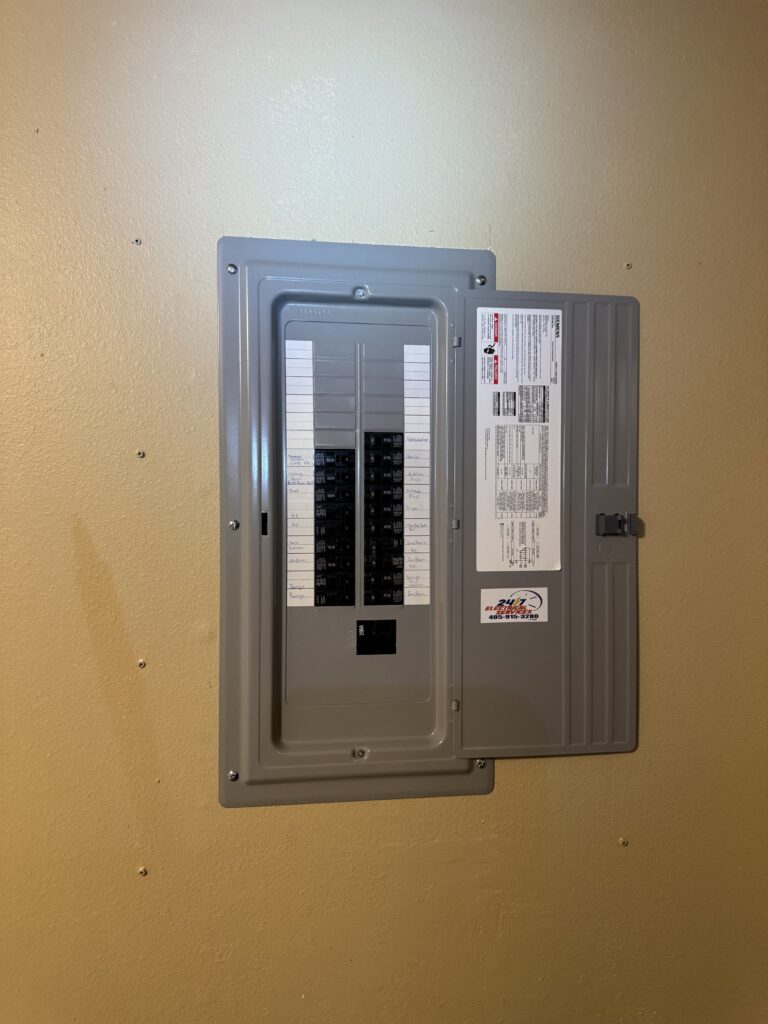
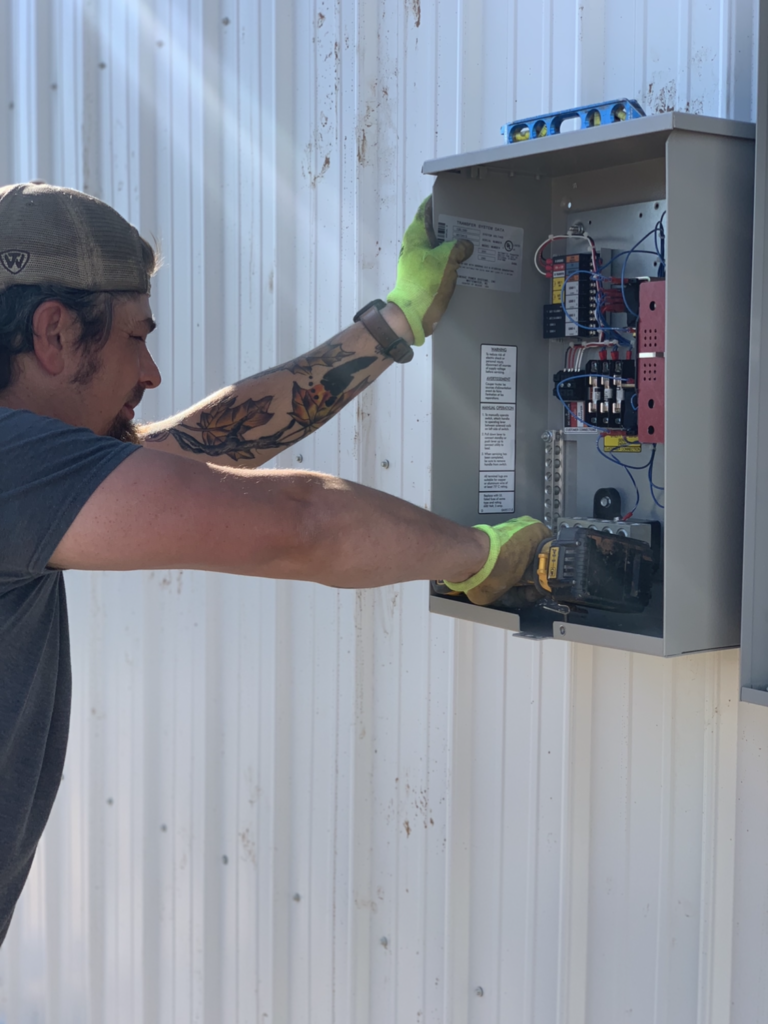
A licensed electrician starts with the breaker and the panel itself. They check the breaker rating against the size of the air conditioner to confirm it was installed correctly. They look for loose or corroded connections at the breaker terminal and the neutral bar. A thermal scan or a careful touch check can reveal a breaker running hotter than its neighbors. The electrician also inspects the wire size feeding the circuit to make sure it matches the breaker. Undersized wire on a large breaker is a hidden hazard that causes overheating. All of this happens before anyone blames the air conditioner.
Next, the electrician measures the actual current the AC draws while it runs. A clamp meter reads the amps on the circuit during startup and during normal operation. A high startup surge that fades quickly often points to a capacitor or hard start issue. A steady draw that sits above the breaker rating points to an overloaded or undersized circuit. The electrician compares these readings to the data printed on the AC nameplate. If the unit pulls far more than its rated amps, the problem lives inside the air conditioner. These measurements turn a guessing game into a clear answer.
Finally, the electrician checks the circuit for shorts and ground faults. A short happens when a hot wire touches a neutral or another hot wire. A ground fault happens when a hot wire touches a grounded surface like the metal cabinet of the unit. Both faults cause an instant, repeatable trip and both are dangerous. The electrician uses a meter to test the wiring and the compressor for these faults. Pinpointing the fault location is the key to a safe and permanent repair.
Repairs That Stop a Breaker From Tripping When the AC Runs
The right repair depends on what the diagnosis uncovered. If the circuit was overloaded, the answer is often a new dedicated circuit for the air conditioner. A dedicated line removes the competition for current and lets the unit run without tripping. If the breaker was worn or weak, a simple breaker replacement restores proper protection. If the connections were loose, the electrician tightens them to spec and clears the heat problem. Each of these repairs targets the real cause rather than masking the symptom. A proper repair stops the tripping for good instead of buying a few days.
Never solve a tripping breaker by installing a larger breaker without checking the wire. This is one of the most dangerous shortcuts in home electrical work. The breaker exists to protect the wire, not the air conditioner. A bigger breaker on the same wire lets too much current flow before it trips. That extra current overheats the wire inside your walls and can start a fire. The only safe way to use a larger breaker is to upsize the wire to match, and that is a job for a licensed pro.
When the fault sits inside the air conditioner, the repair shifts to the unit. A failed capacitor gets replaced, a grounded compressor gets evaluated, and dirty coils get cleaned. These tasks often involve coordination between an electrician and an HVAC technician. The electrician confirms the wiring and breaker are sound, and the HVAC tech handles the refrigerant side. Working together, they make sure the fix is complete and the breaker stays on. A clear handoff between trades keeps you from paying twice for the same problem.
Why You Need a Licensed Electrician for a Breaker That Trips When the AC Runs
A breaker that trips when the AC runs is a problem you should not ignore and should not chase alone. The risks include fire, damaged equipment, and electric shock. A licensed electrician brings the tools, training, and testing gear to find the real cause fast. They also know the local code and can spot panel issues that a quick fix would miss. In the McLoud heat, getting your AC back online quickly matters for your comfort and your safety. Here is why professional help is the right call.
Why Fast Service Matters for a Breaker That Trips When the AC Runs
A tripping breaker rarely fixes itself, and the problem tends to get worse with time. A small loose connection today can become a melted wire next week. Fast service stops a minor fault before it turns into major damage. The sooner a pro finds the cause, the cheaper and simpler the repair. Waiting only gives the problem room to grow.
Summer heat makes a fast response even more important. When the AC will not run, indoor temperatures climb quickly and can become unsafe for kids, seniors, and pets. A breaker that keeps tripping leaves you without cooling at the worst possible time. Same day service gets your home comfortable again and removes the safety risk. That is why round the clock availability matters so much during the hot months.
There is also a real safety reason to act fast. A breaker that trips on a short or a ground fault is warning you about live danger inside the system. Every reset on that kind of fault adds heat and raises the chance of a fire. A quick professional visit removes the guesswork and the gamble. An electrician can lock down the hazard and tell you what is safe to run. Fast service is not just about comfort; it is about protecting your home and family.
Why a Panel Inspection Helps a Breaker That Trips When the AC Runs
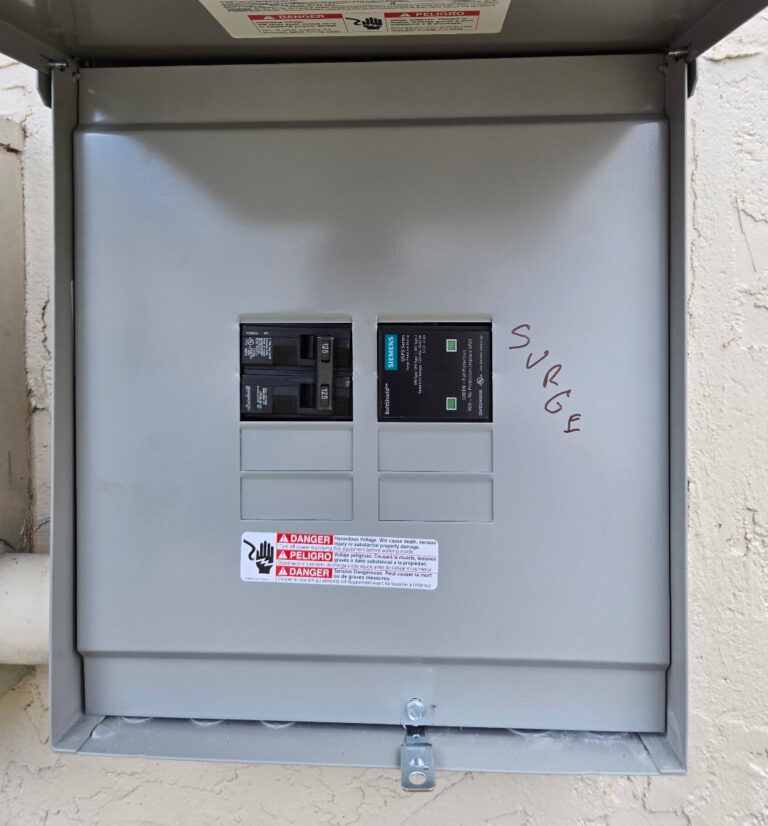
A tripping breaker is often the first visible sign of a larger panel problem. The panel is the hub that feeds every circuit in your home. When one breaker acts up, an inspection can reveal if the panel is healthy overall. The electrician checks for loose connections, signs of heat, and breakers that are the wrong size. They also confirm that the panel has enough capacity for your home and your AC. This wider look catches problems you would never see from a single breaker.
Many homes in the area run on panels that are decades old. An older panel may be undersized for modern cooling loads and today’s appliances. A panel inspection tells you if your current setup can keep up or if it is time for an upgrade. Upgrading the panel often solves repeated tripping across several circuits at once. It also adds room for future needs like a generator or an electric vehicle charger.
An inspection also flags unsafe panel brands that should be replaced. Some older panels have a known history of breakers that fail to protect the home. If your panel is on that list, an upgrade is the safest investment you can make. A professional inspection gives you a clear report and honest options. You end up knowing exactly where your electrical system stands.
Why Choose 24/7 Electrical Services and Repairs for a Tripping AC Breaker
24/7 Electrical Services and Repairs is a locally owned and family operated electrical company serving McLoud and the surrounding area. We treat your home with the same care we would give our own. Our work is backed by a licensed Oklahoma electrician, license number 084623, so you know the job is done right. We offer free local estimates with honest, upfront pricing and no surprises. When you call, you get straight answers and fair rates. That is the standard we hold on every single job.
We specialize in panel upgrades and Generac generator installations, and tripping breakers are a daily part of our work. We have seen every cause behind a breaker that trips when the AC runs. Our team carries the testing tools to find the fault fast and fix it the first time. We stand behind our work with a one year labor warranty and a three year panel warranty. That coverage gives you real peace of mind long after we leave.
When your breaker keeps tripping and your AC will not stay on, you need a team that answers the call. Our 24/7 emergency electrical service means help is ready day or night, weekends included. We will diagnose the problem, explain your options in plain language, and get your cooling back online. Ready to stop the tripping for good? Call us today at (405) 915-3280. We are proud to keep McLoud homes safe, cool, and powered all summer long.